



What Are Satin Sleep Masks Made Of? A Simple Fabric Guide
TL;DR
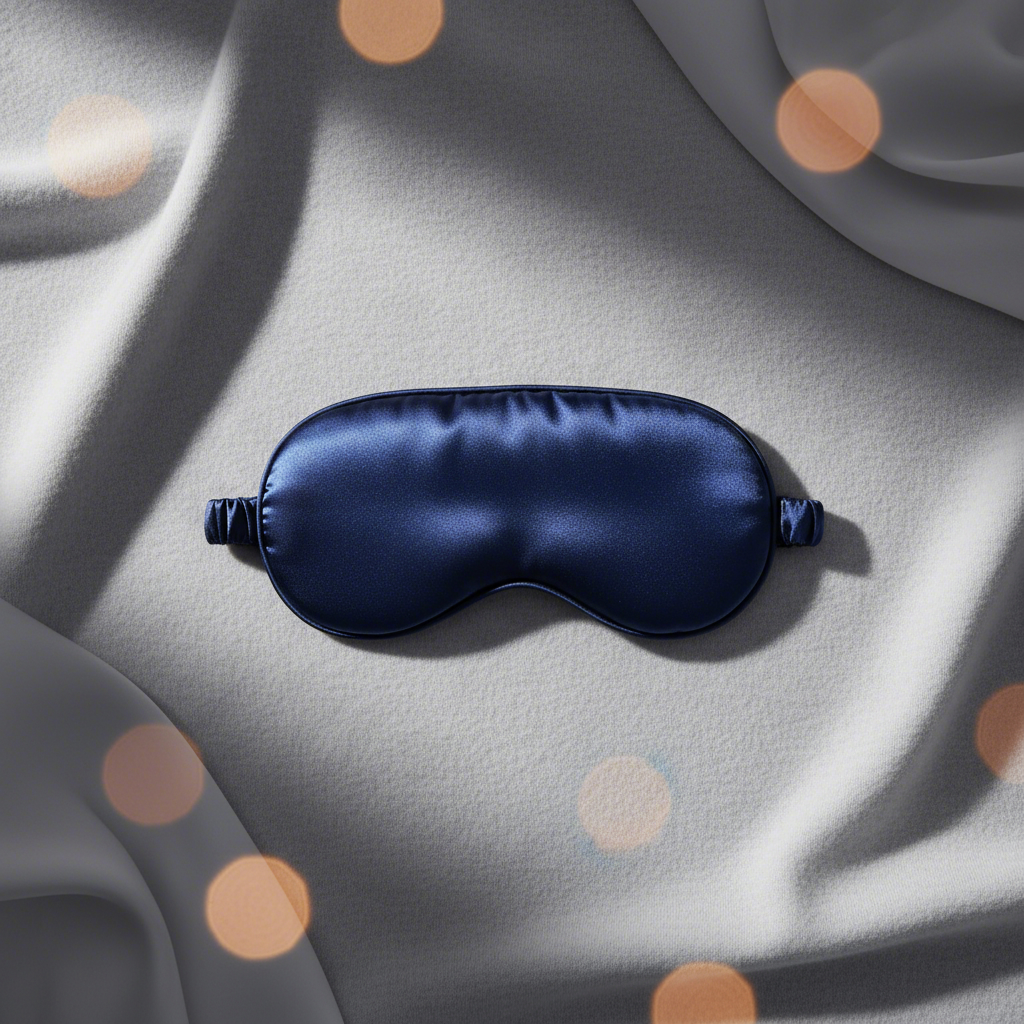
A satin sleep mask is defined by its smooth, glossy weave, not the material itself. It's typically made from synthetic fibers like polyester, creating a surface that reduces friction on your skin and hair. This makes it an excellent, budget-friendly alternative to natural silk for preventing sleep creases and hair tangles while effectively blocking out light for better sleep.
Decoding Satin: More Than Just a Material
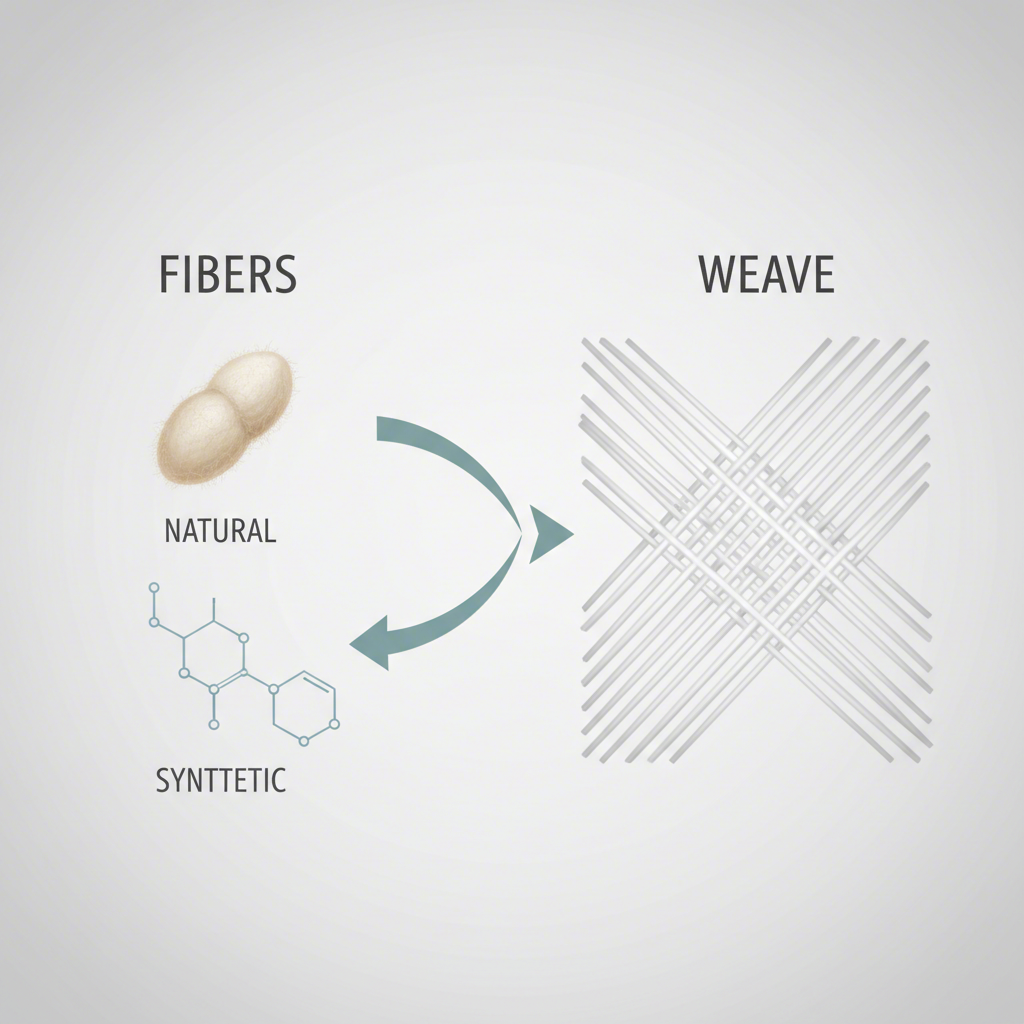
When you see a sleep mask labeled "satin," it’s easy to assume satin is a specific type of material. However, the term refers to the weave of the fabric, not the fiber it's made from. This is the most important distinction to understand. The satin weave is what creates the characteristically smooth, lustrous surface on one side and a duller finish on the other. This unique construction is the secret behind its gentle touch.
Because satin is a weave, it can be constructed from various types of fibers, both synthetic and natural. Most commonly, satin sleep masks are made from polyester, a synthetic fabric known for its durability and affordability. You may also find satin made from nylon or rayon. This is why satin masks are so widely available and cost-effective. They offer a silk-like feel without the high price tag of natural fibers.
Interestingly, satin can also be made from natural fibers, including silk. A product labeled as a satin mask made from 100% mulberry silk is a perfect example of this. In this case, you get the benefits of the natural silk fiber combined with the classic glossy finish of the satin weave. Reading the product label carefully is key to knowing exactly what fiber you're getting. To help clarify, here’s a simple breakdown:
Polyester Satin: This is the most common type. It's synthetic, durable, affordable, and has a very smooth, slippery feel. However, it's less breathable than natural fibers.
Silk Satin (Charmeuse): This is satin woven from silk fibers. It's a natural, hypoallergenic, and breathable fabric that is also very smooth. It is considered a luxury material and comes at a higher price.
Satin vs. Silk vs. Cotton: Choosing Your Ideal Sleep Companion
Understanding the material of your sleep mask is crucial for comfort, skin health, and getting a good night's rest. While satin is a popular choice, silk and cotton are also common contenders. Each has unique properties suited to different needs and preferences, making the choice a personal one.
Satin, typically made from polyester, is prized for its smooth surface that glides over skin and hair, reducing friction that can lead to wrinkles and frizz. Silk offers similar smoothness but as a natural protein fiber, it's also highly breathable and hypoallergenic, making it ideal for sensitive skin. Cotton, another natural fiber, is known for its softness, breathability, and durability, though its texture is not as smooth and it can absorb moisture from the skin.
For those seeking the premium qualities of silk, especially for business or branding purposes, options for customization are available. For instance, Bincai International offers wholesale silk sleep masks that allow for OEM customization, providing a high-end solution for brands or individuals looking for personalized, luxury sleep accessories. This highlights the value placed on silk as a top-tier material in the sleep wellness market.
To make the decision easier, here is a direct comparison of the three fabrics:
| Feature | Satin (Polyester) | Silk | Cotton |
|---|---|---|---|
| Feel & Texture | Very smooth, slippery, glossy | Luxuriously smooth, soft | Soft, not slippery |
| Breathability | Low | High | High |
| Hypoallergenic | No | Naturally hypoallergenic | Generally yes |
| Moisture Handling | Does not absorb moisture | Maintains skin's natural moisture | Absorbs moisture |
| Durability | Durable, but can snag | Delicate, requires gentle care | Very durable |
| Average Cost | Low | High | Low to Medium |
Ultimately, your choice depends on your priorities. If your main goal is reducing hair frizz and skin creases on a budget, a polyester satin mask is an excellent choice. If you have sensitive skin or prefer natural, breathable materials, investing in a silk mask is worthwhile. For those who prioritize breathability and easy washing above all, a cotton mask is a practical and reliable option.
Key Benefits of a Satin Sleep Mask
Satin sleep masks have become a popular accessory for good reason. Their unique properties offer tangible benefits for your skin, hair, and overall sleep quality, all at an accessible price point. The primary advantage comes from their incredibly smooth surface, which sets them apart from other materials like cotton.
For your skin, this smoothness means less friction as you move during the night. Less friction helps prevent the formation of temporary "sleep creases" on your face, which can contribute to permanent wrinkles over time. Furthermore, as detailed by sources like SILKSILKY, satin may absorb moisture. Unlike cotton, which can wick away your expensive night creams and serums, a satin mask helps keep those products on your skin where they belong, maximizing their effectiveness.
Your hair also reaps the rewards. The same gliding effect that protects your skin helps reduce hair tangling, frizz, and breakage. If you often wake up with bedhead, a satin mask can make a noticeable difference by allowing your hair to move freely without getting caught or roughed up. This is especially beneficial for those with delicate, curly, or frizz-prone hair.
Beyond beauty benefits, a satin sleep mask is highly effective at its core job: blocking light. A dark environment is essential for signaling your brain to produce melatonin, the hormone that regulates sleep. By creating total darkness, a good sleep mask can help you fall asleep faster and enjoy a deeper, more restorative rest. In summary, the key benefits are:
Protects Skin: Reduces friction to minimize sleep lines and doesn't absorb skincare products.
Guards Hair: Prevents tangles, breakage, and frizz by allowing hair to glide smoothly.
Enhances Sleep: Effectively blocks out ambient light to promote melatonin production.
Affordable Comfort: Offers a luxurious, silk-like feel without the high cost.
Keeping It Fresh: How to Wash Your Satin Sleep Mask
To keep your satin sleep mask hygienic and in good condition, regular washing is important. Over time, it can accumulate natural oils from your skin, makeup residue, and bacteria. While satin feels delicate, it's generally easy to care for, with handwashing being the safest and most recommended method to preserve its smooth texture and shape.
Machine washing can be too harsh, potentially causing snags, stretching the elastic band, or damaging the delicate fibers. A gentle handwash ensures your mask stays soft, comfortable, and effective for a long time. It only takes a few minutes and helps maintain the integrity of the fabric, ensuring it continues to feel great against your skin.
Follow these simple steps to wash your satin sleep mask properly:
Prepare Your Basin: Fill a clean sink or a small basin with cool or lukewarm water (around 30°C or 86°F). Avoid hot water, as it can damage synthetic fibers and cause colors to fade.
Add Gentle Detergent: Add a few drops of a mild, pH-neutral detergent, like one intended for delicates or baby clothes. Swirl the water to ensure the soap is fully dissolved.
Wash Gently: Submerge the sleep mask in the soapy water. Let it soak for about three to five minutes. Gently swirl it around and lightly squeeze the suds through the fabric. Avoid any harsh rubbing or wringing.
Rinse Thoroughly: Drain the soapy water and refill the basin with clean, cool water. Rinse the mask by swishing it around until all soap residue is gone. Repeat if necessary.
Remove Excess Water: Gently squeeze the water out of the mask without twisting or wringing it. You can also lay it flat on a clean, dry towel and press down lightly to absorb more moisture.
Air Dry: Lay the mask flat on another dry towel or hang it away from direct sunlight or heat sources. Direct heat can damage the fibers and cause the mask to lose its shape.

Frequently Asked Questions
1. Are satin sleep masks good?
Yes, satin sleep masks are very good, especially considering their affordability. They are effective at blocking light, which is essential for quality sleep. Their primary benefit is the smooth surface, which reduces friction on your skin and hair, helping to prevent sleep wrinkles and hair frizz. As Srhythm notes, both silk and satin enhance sleep quality by providing comfort and blocking light effectively.
2. What is the best fabric for a sleep mask?
The best fabric depends entirely on your personal priorities. If you have sensitive skin, allergies, and desire a breathable, natural material, silk is the premium choice. For those seeking a smooth, hair-friendly surface on a budget, satin (typically polyester) is an excellent alternative. If you prioritize high breathability, durability, and easy care, cotton is a practical and comfortable option.
3. Can you wash a satin sleep mask?
Absolutely. It is recommended to wash a satin sleep mask regularly to keep it clean. The best method is to handwash it gently in cool water with a mild detergent. After a short soak and a gentle swirl, rinse it thoroughly, carefully squeeze out excess water without wringing, and lay it flat to air dry away from direct heat.


 Send Email
 售前客服
售前客服 Skype
Skype WhatsApp