



Satin Sleep Mask Slipping? 4 Essential Fixes for a Secure Night

TL;DR
Tired of waking up to find your satin sleep mask on your pillow instead of your face? The solution often lies in a combination of a proper fit, smart hair management, and choosing the right mask design. Ensure your mask's strap is snug but not tight, tie long hair back in a braid or bun, and consider using accessories like a thin headband underneath for extra grip. For a permanent fix, look for masks with features like anti-slip straps or dual-band designs to keep them securely in place all night.
Understanding Why Your Satin Sleep Mask Slips Off
It's a frustratingly common experience: you go to bed with your luxurious satin mask perfectly in place, only to wake up with it lost in the sheets. This nightly escape act isn't random; it's usually caused by a few key culprits. Understanding the root cause is the first step toward finding a lasting solution for uninterrupted sleep. By identifying why your mask is slipping, you can choose the most effective strategy to keep it secure.
The most frequent reason for a slipping mask is simply an incorrect fit. A mask that's too loose will naturally slide around as you move. Conversely, a mask that's too tight can cause discomfort, prompting you to unconsciously pull it off during the night. According to an article from Manta Sleep, this discomfort is a primary reason people remove their masks without even realizing it. The goal is to find a sweet spot where the mask is secure enough to stay on but gentle enough that you forget it's there.
Another major factor is the wear and tear on the mask itself. Over time, the elastic in single-strap masks can lose its tension and become stretched out. As detailed by Renpho, weakened elasticity means the strap can no longer provide the necessary grip to hold the mask in place, especially for restless sleepers. This is a gradual process, but it inevitably leads to a less secure fit and more frequent slippage.
Finally, the very material you love can be part of the problem. Satin is known for its smooth, low-friction surface. While this feels wonderful against your skin, it also means it has very little to grip onto, particularly against smooth, clean hair. This inherent slipperiness, combined with natural oils from your skin and hair, creates a perfect storm for a mask that just won't stay put. This is especially true for side sleepers, as the mask constantly moves against the pillow.
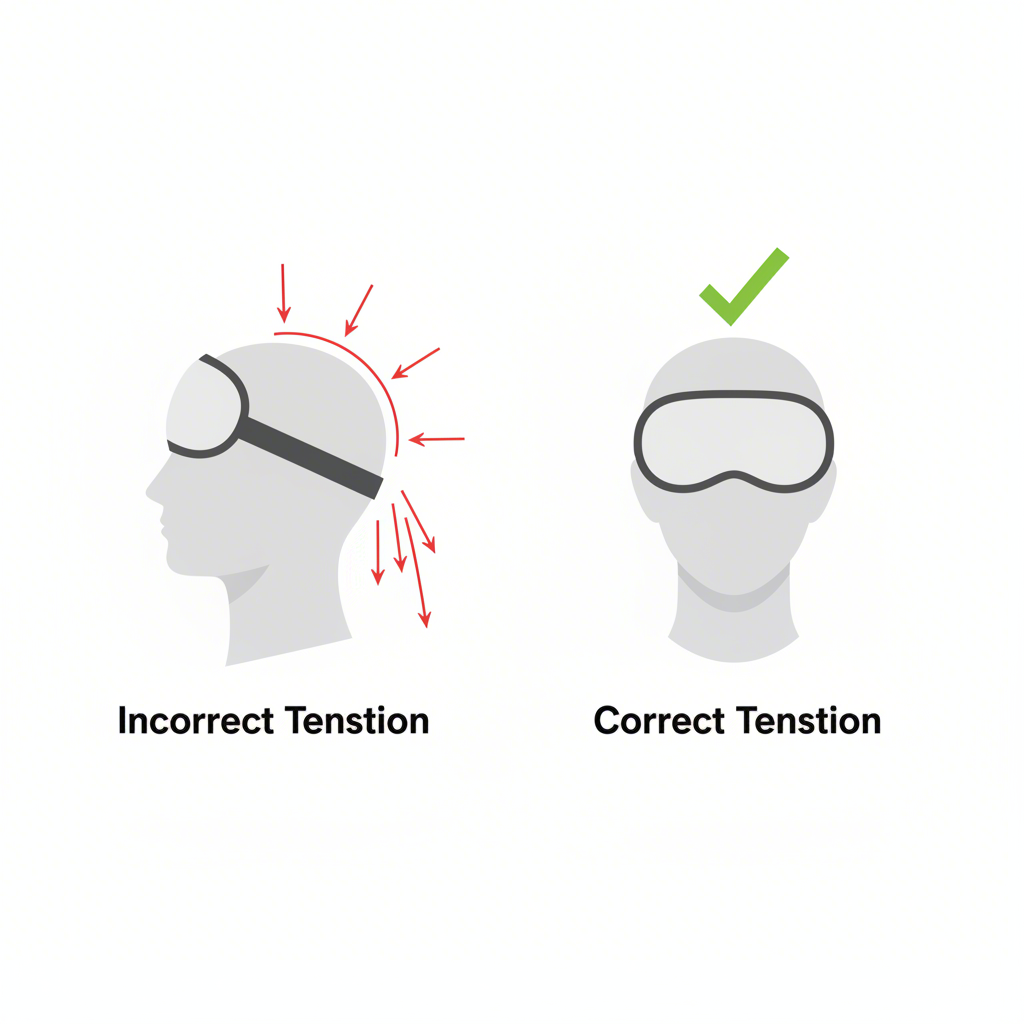
Achieving the Perfect Fit: How to Adjust and Secure Your Mask
Your first line of defense against a wandering sleep mask is achieving a perfect, customized fit. A secure yet comfortable adjustment ensures the mask stays where it belongs without causing pressure or irritation. Taking a moment to properly fit your mask can make a significant difference, turning a nightly annoyance into a seamless part of your sleep routine. Many issues with slippage can be solved with just a few simple tweaks to how you wear it.
Follow these steps to ensure your mask is adjusted for optimal security and comfort:
Position the Mask Correctly: Before tightening, place the mask over your eyes so it sits comfortably on the bridge of your nose and provides full coverage. Ensure it's not sitting too high on your forehead or too low on your cheeks.
Loosen the Strap First: Always start with the strap completely loosened. Place it around your head, positioning it above your ears at a slight upward angle toward the back of your head.
Tighten Gradually: Slowly adjust the strap until you feel it is snug. The mask should feel secure, but not constricting. You should be able to fit one finger comfortably between the strap and your head.
Check for Pressure Points: Once tightened, move your head around. Make sure there is no uncomfortable pressure on your eyes, temples, or ears. A well-fitted mask distributes pressure evenly.
The type of strap on your mask also plays a crucial role. Many traditional satin masks use a single elastic band, which can wear out. Newer designs often feature more robust adjustment mechanisms. For instance, a comprehensive guide to sleep masks notes that straps with sliding buckles are often preferable to Velcro. Sliders are silent and allow for micro-adjustments, while Velcro can be loud and the hook side of the strap may snag on pillowcases. Testing the fit by mimicking your sleep movements, like turning your head side to side, will confirm if your adjustment is secure enough for the night.
Strategic Hair Management and Friction-Enhancing Hacks
Even a perfectly fitted mask can struggle to stay put against smooth, loose hair. The slippery texture of satin combined with the fine strands of hair creates an ideal surface for sliding. Fortunately, several simple and effective hacks can increase friction and give your mask the grip it needs to stay in place all night long. These strategies focus on managing your hair and using low-cost accessories to create a more stable foundation for your mask.
Here are some practical, DIY solutions you can try tonight:
Tie Back Your Hair: Securing your hair in a low bun, ponytail, or braid is one of the easiest ways to prevent your mask's strap from sliding up. This creates a single, stable point for the strap to rest against rather than slipping over loose strands.
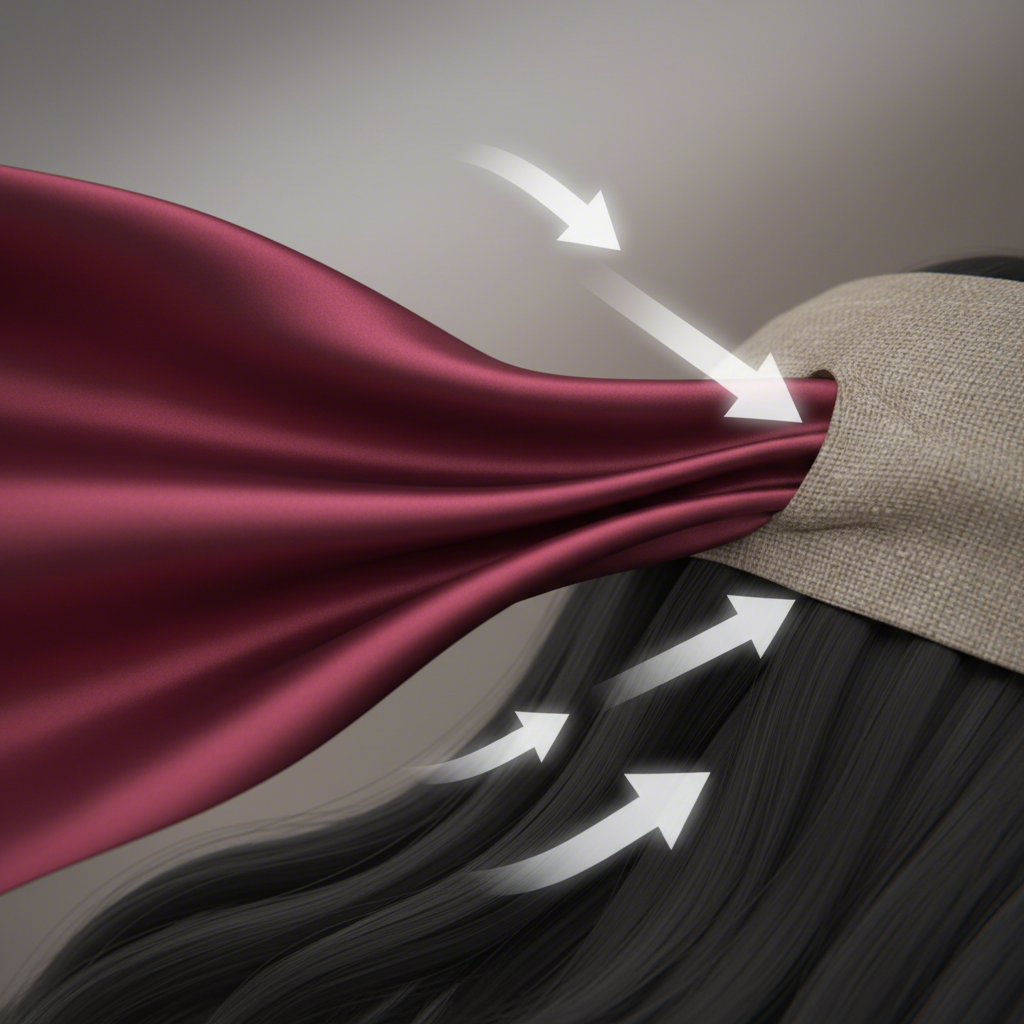
Use a Headband or Scarf: As suggested by DHGate, wearing a thin cotton headband or a silk scarf underneath your sleep mask can work wonders. The texture of the headband provides a grippy surface that the satin strap can cling to, drastically reducing movement.
Anchor with Hair Accessories: For targeted security, try using a few bobby pins or small clips to fasten the mask's strap directly to your hair, just above your ears. This physically anchors the mask, making it nearly impossible to slip off.
Position Hair Over the Strap: A clever trick mentioned in user forums is to pull some hair from the crown of your head over the back of the strap. This adds a layer of friction and weight that helps hold the strap down.
Each of these hacks offers a different balance of comfort and security, so it's worth experimenting to find what works best for you. To help you decide, here is a simple comparison of these popular methods:
| Hack | Pros | Cons | Best For |
|---|---|---|---|
| Braiding Hair | Simple, no extra items needed. | Only works for those with longer hair. | People with long, straight, or silky hair. |
| Headband | Very effective grip, adds security. | Can feel a bit bulky or add warmth. | Active sleepers who need maximum stability. |
| Hair Clips | Precise anchoring and strong hold. | Can be uncomfortable if not placed carefully. | Quick, targeted adjustments for any hair type. |
Choosing the Right Sleep Mask to Prevent Slipping
While hacks and adjustments are effective, the most permanent solution to a slipping sleep mask is to choose one that is specifically designed to stay in place. The construction, materials, and features of a sleep mask play a significant role in its stability, especially for those who are side sleepers or move a lot during the night. Investing in a thoughtfully designed mask can eliminate the problem at its source, saving you from nightly frustrations.
When shopping for a new, slip-proof mask, here are some key features to look for:
Adjustable, Non-Slip Straps: Look for masks with straps that feature silicone grips or anti-slip gel. These materials create friction against your hair, preventing the mask from sliding. A wide, adjustable band also distributes pressure more evenly.
Dual Strap Design: Some masks, like the Alaska Bear 2 Strap model, feature two thinner straps instead of one. This design is often more stable, as the straps can be positioned above and below the ears, providing a more secure anchor and preventing the mask from riding up or down.
Contoured Eye Cups: While primarily designed to eliminate eye pressure, contoured 3D eye cups also contribute to a better overall fit. By conforming to the shape of your face, they help keep the mask centered and are less likely to be dislodged by movement.
Quality Materials and Construction: For those seeking masks that combine luxury with functionality, some suppliers offer advanced options. For instance, Bincai International provides wholesale silk sleep masks that feature high-quality silk and an adjustable fit, with options for OEM customization, blending comfort with a secure design.
Ultimately, the right mask depends on your personal needs, such as your sleeping position and head shape. A side sleeper might prioritize a mask with thin straps to avoid pressure, while a back sleeper might focus more on total blackout. By considering these design elements, you can find a satin sleep mask that not only feels luxurious but also stays securely in place from dusk till dawn.
Your Path to Uninterrupted Sleep
Waking up to a displaced sleep mask doesn't have to be your reality. As we've seen, preventing your satin sleep mask from slipping is an achievable goal. It starts with understanding the core issues—improper fit, worn-out straps, and the slick nature of satin—and addressing them with practical solutions.
By mastering the art of the perfect fit, employing simple hair management hacks, and knowing what features to look for in your next purchase, you can ensure your mask stays on all night. Whether you opt for a quick DIY fix like using bobby pins or invest in a mask with a dual-strap, non-slip design, the key is to find the strategy that best suits your sleep style and comfort preferences. With these tips, you can finally enjoy the full, light-blocking benefits of your mask and achieve the deep, restorative sleep you deserve.
Frequently Asked Questions
1. How do I keep a mask from sliding down?
To prevent a sleep mask from sliding down, the most important step is to ensure a proper fit. Adjust the strap so it's snug but not uncomfortably tight around your head. Positioning the strap slightly higher on the back of your head can also create a better angle of tension. Additionally, managing your hair by tying it back or using a headband underneath can provide extra friction to hold the mask securely in place.
2. How do I keep eye patches from sliding?
While this article focuses on sleep masks, the principle for under-eye patches is similar: it's all about grip. For gel eye patches, ensure your skin is clean and dry before application, as oils can cause them to slip. After applying, gently pat them for a minute to help them adhere. Lying back for the first few minutes of wear can also help them set in place before you move around.


 Send Email
 售前客服
售前客服 Skype
Skype WhatsApp