



Do Satin Sleep Masks Cause Acne? What You Need to Know

TL;DR
A satin sleep mask doesn't directly cause acne, but it can contribute to breakouts if not cared for properly. The real issue is the buildup of sweat, natural oils, and bacteria trapped against your skin all night. This environment can clog pores and lead to pimples. The solution is simple: keep your mask clean and choose a breathable fabric like silk to ensure your skin stays healthy while you sleep.
The Real Cause: Understanding Sleep Mask Acne
If you've noticed new blemishes on your forehead, cheeks, or the bridge of your nose after wearing a sleep mask, you're not alone. This issue is common enough that it has a specific name: acne mechanica. This type of acne isn't caused by hormones or diet but by physical factors like friction, pressure, and occlusion (blocked airflow) against the skin. When your sleep mask sits on your face, it creates the perfect storm for this condition to develop.
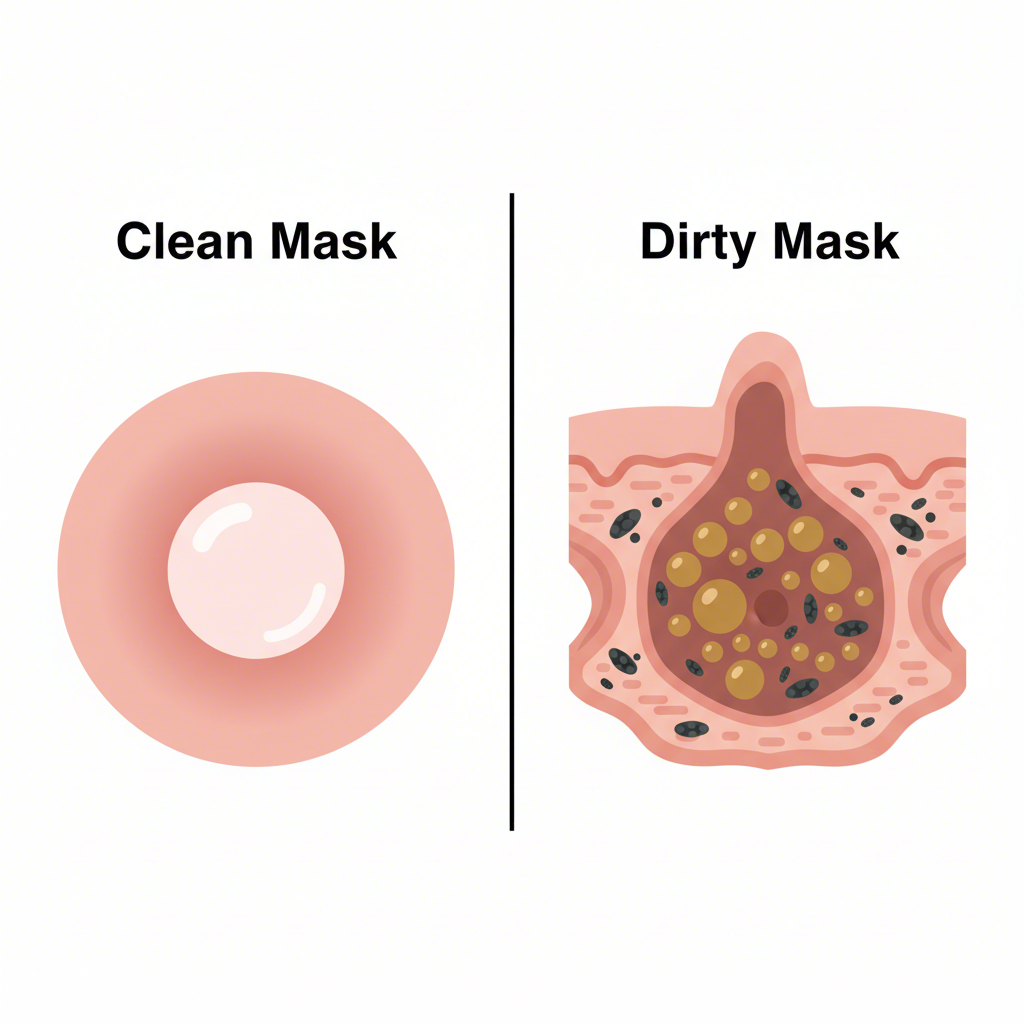
Throughout the night, your skin naturally produces oils and sheds dead cells. Combined with sweat, this creates a warm, moist environment under the mask. This is an ideal breeding ground for bacteria. When these elements are pressed into your pores for hours by the mask, it can lead to inflammation and breakouts. The constant rubbing or pressure from a mask that’s too tight can further irritate the skin, making it more susceptible to pimples.
It’s important to understand that the mask itself isn't inherently the problem—any sleep mask, whether silk or satin, can cause issues if it's not clean. As noted by All About Vision, bacteria accumulated on an unwashed mask can lead to skin irritation and breakouts. The key difference lies in how the material interacts with your skin and how diligent you are with your hygiene routine.
Fabric Face-Off: Why Silk Is Better Than Satin for Skin
When it comes to preventing acne, not all sleep mask materials are created equal. The choice between satin and silk can make a significant difference for your skin's health. While both feel smooth to the touch, their underlying properties are quite different. Understanding these distinctions is crucial for anyone with acne-prone or sensitive skin.
Satin is a type of weave, not a natural fiber. Most satin products, especially at lower price points, are made from synthetic materials like polyester. These fabrics are not very breathable, meaning they can trap heat, sweat, and oil against your skin, creating the perfect environment for breakouts. According to board-certified dermatologist Dr. Marisa Garshick, it may be best to avoid polyester if you have sensitive skin as it can be irritating.
In contrast, silk is a natural protein fiber that is inherently hypoallergenic and much more breathable. It allows for better air circulation, which helps keep your skin cooler and drier throughout thenight. High-quality silk, like 100% mulberry silk, also has a smoother surface that creates less friction against your skin, reducing irritation. For those seeking premium options, suppliers like Bincai International offer wholesale silk sleep masks that prioritize these skin-friendly qualities and even provide customization services.
To make the choice clearer, here’s a direct comparison:
| Feature | Silk (Natural) | Satin (Often Synthetic) |
|---|---|---|
| Breathability | High; allows air to circulate, keeping skin cool. | Low; traps heat and moisture against the skin. |
| Hypoallergenic Properties | Naturally hypoallergenic and resistant to dust mites. | Can cause irritation, especially if made from polyester. |
| Moisture Wicking | Helps skin retain moisture; doesn't absorb natural oils. | Tends to trap moisture, creating a damp environment. |
| Friction Level | Very low; glides smoothly over skin. | Low, but can still cause more friction than pure silk. |
Your Action Plan: How to Prevent Sleep Mask Breakouts
The great news is that you don't have to give up the sleep-enhancing benefits of a mask to maintain clear skin. Preventing breakouts is entirely possible with a consistent and straightforward hygiene routine. By taking a few simple steps, you can ensure your sleep mask remains a helpful tool for rest, not a source of skin trouble.
The most critical step is regular cleaning. Just like your pillowcase, your sleep mask absorbs oils, dead skin cells, and bacteria every night. Experts from Drowsy Sleep Co. recommend washing your mask at least once a week, or even more frequently if you have particularly oily or acne-prone skin. Having a second mask on hand allows you to rotate them, so you always have a clean one ready.
Here are the best practices for keeping your mask clean and your skin clear:
Wash It Correctly: The best method for most masks, especially delicate ones like silk, is hand-washing. Fill a sink with lukewarm water and a small amount of gentle, fragrance-free detergent. Submerge the mask, let it soak for a few minutes, then gently rinse it until the water runs clear. Avoid wringing it out, as this can damage the fabric and shape.
Dry It Completely: Lay the mask flat on a clean, dry towel. You can place another towel on top and press gently to absorb excess water. Allow it to air-dry completely before using it again. A damp mask can harbor mold or bacteria.
Ensure a Proper Fit: Your mask should be snug enough to block light but not so tight that it leaves marks or puts excessive pressure on your skin. A mask with an adjustable strap is ideal for finding that perfect, comfortable fit.
Prep Your Skin: Always go to bed with a clean face. Remove all makeup and apply a lightweight, non-comedogenic moisturizer to create a protective barrier between your skin and the mask.
For an easy reference, follow these healthy mask habits:
Wash your mask at least once a week.
Always start with a clean face before putting on your mask.
Choose a mask made from a breathable, natural fabric like silk.
Ensure the mask has an adjustable strap for a comfortable, not-too-tight fit.
Replace your sleep mask when it shows signs of wear and tear.
Frequently Asked Questions
1. Can a silk sleeping mask cause acne?
Yes, even a silk sleeping mask can contribute to acne if it is not kept clean. While silk is more breathable and less irritating than synthetic fabrics, it can still accumulate oil, sweat, and bacteria. Regular washing is essential to prevent these buildups from clogging your pores and causing breakouts.
2. Can face masks cause acne breakouts?
Absolutely. Any type of face covering that is worn for an extended period, including sleep masks or protective face masks, can cause acne. The combination of friction, pressure, and a trapped, humid environment can lead to skin irritation and clogged pores, a condition often referred to as "maskne" or acne mechanica.


 Send Email
 售前客服
售前客服 Skype
Skype WhatsApp