



Satin Sleep Mask Skin Benefits: Wake Up to a Smoother Look

TL;DR
A satin sleep mask primarily benefits your skin by providing a smooth, low-friction surface that helps prevent the formation of sleep lines and wrinkles. Its non-absorbent material also ensures your skin and any applied skincare products retain their moisture overnight, making it a simple yet powerful addition to your beauty sleep routine for a healthier, more radiant complexion.
How a Satin Sleep Mask Protects Your Skin
The secret to a satin sleep mask's skin-enhancing power lies in its unique weave. Unlike rougher materials, satin provides an incredibly smooth surface that glides across your face as you move during the night. This simple characteristic is the foundation for several significant skincare benefits that work while you rest, offering a passive way to care for the delicate skin around your eyes.
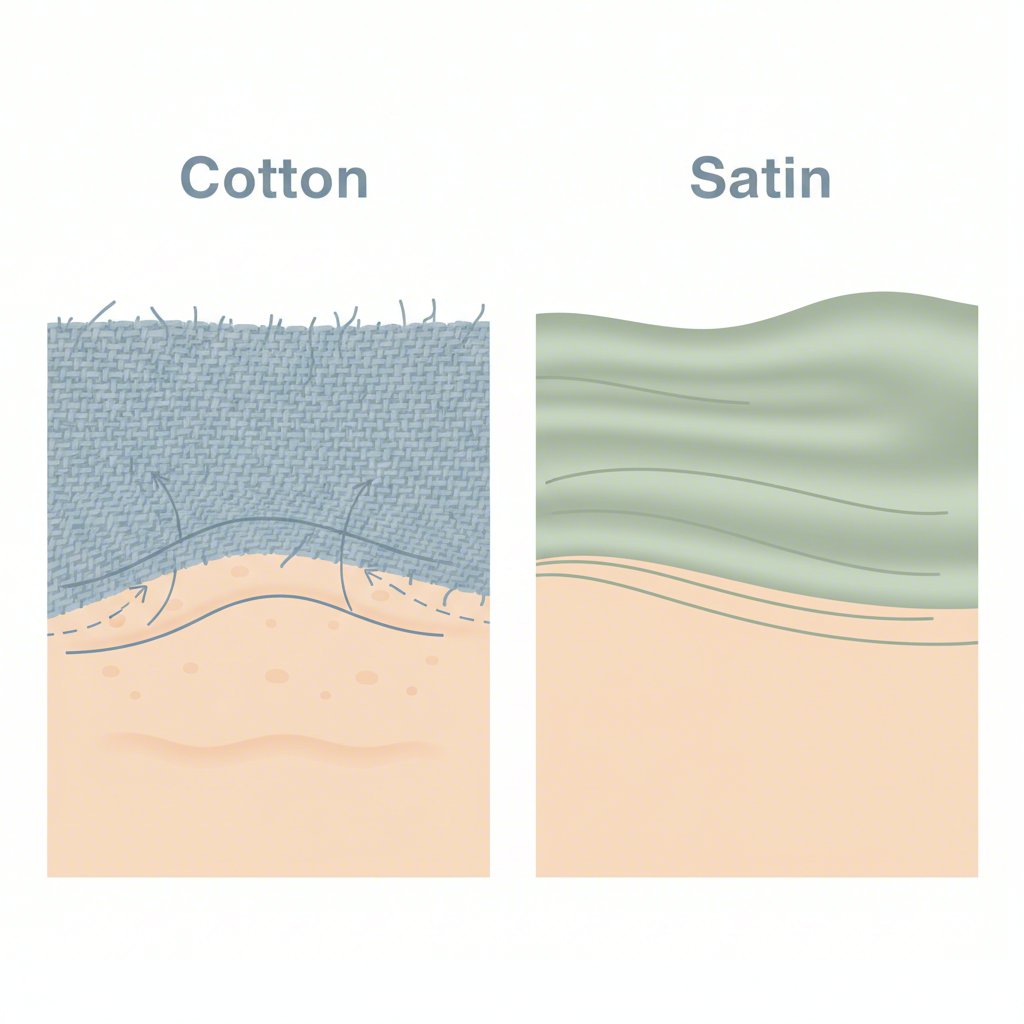
One of the most celebrated advantages is the dramatic reduction in friction. Tossing and turning against a cotton pillowcase can pull and tug at your skin, leading to morning creases. Over time, these temporary lines can deepen into permanent wrinkles. A satin mask acts as a protective barrier, minimizing this stress on the skin. This is particularly important for the fragile area around the eyes, which is one of the first places to show signs of aging. By preventing the physical folding of the skin, a satin mask helps maintain a smoother appearance.
Furthermore, satin is significantly less absorbent than materials like cotton. This property is crucial for maintaining skin hydration. Cotton can act like a sponge, wicking away not only your skin's natural oils but also the expensive serums and eye creams you apply before bed. A satin mask, however, allows those products to stay on your skin, maximizing their effectiveness and ensuring you wake up with a plump, hydrated complexion. This moisture retention is key to preventing dryness and the appearance of fine lines.
For those with sensitive or acne-prone skin, a satin mask offers another layer of protection. As a synthetic material, it is less likely to harbor bacteria and oils that can accumulate on pillowcases, which may help reduce breakouts and irritation. Its gentle touch ensures that existing skin issues are not aggravated, allowing your skin to heal and regenerate more effectively overnight.
Reduces Wrinkles: The smooth surface minimizes friction and prevents sleep creases from forming.
Boosts Hydration: Its low absorbency helps skin retain natural moisture and lets skincare products work effectively.
Protects Sensitive Skin: Acts as a gentle, hypoallergenic barrier against irritants on your pillowcase.
Satin vs. Silk vs. Cotton: Which Mask Is Best for Your Skin?
When choosing a sleep mask, the material is the most critical factor for skin health. The three most common options—satin, silk, and cotton—each have distinct properties that affect your skin differently. Understanding these differences can help you select the best mask for your specific needs and budget.
Cotton is a popular choice for its breathability and affordability, but it has significant drawbacks for skincare. Its texture is relatively rough at a microscopic level, creating friction that can lead to skin irritation and sleep lines. More importantly, cotton is highly absorbent, meaning it can draw moisture and skincare products away from your skin, potentially causing dryness and reducing the efficacy of your nighttime routine.
Silk is the gold standard in luxury and skincare. A natural protein fiber, silk is exceptionally smooth, hypoallergenic, and excellent at retaining moisture. It glides effortlessly over the skin, preventing wrinkles and irritation while allowing your eye creams to stay put. However, its premium qualities come with a higher price tag and require more delicate care, such as hand washing.
Satin offers a brilliant middle ground, providing many of the same skin benefits as silk but at a more accessible price. Satin is a type of weave, not a natural fiber, and is typically made from synthetic materials like polyester. This process results in a surface that is just as smooth and low-friction as silk, making it equally effective at preventing wrinkles and protecting delicate skin. Because it's non-absorbent, it also excels at keeping your skin hydrated. For those seeking the skin-preserving qualities of a smooth sleep mask without the high cost of pure silk, satin is an outstanding choice.
For businesses or individuals interested in high-quality options, particularly the natural benefits of silk, sourcing from specialized suppliers is a great approach. For example, some companies like Bincai International provide wholesale silk sleep masks that offer OEM customization, allowing for branded designs that combine the material's premium benefits with personalization.
Material Comparison at a Glance
| Feature | Satin | Silk | Cotton |
|---|---|---|---|
| Surface Friction | Very Low | Very Low | High |
| Moisture Retention | High | High | Low (Absorbent) |
| Breathability | Low | High | High |
| Hypoallergenic | No | Naturally Yes | Generally Yes |
| Cost | Low | High | Low to Moderate |
More Than Skin Deep: Better Sleep and Healthier Eyes
While the anti-aging benefits are compelling, the advantages of a satin sleep mask extend beyond skincare. By improving the quality of your sleep, a mask can have a profound impact on your overall health and appearance. The primary function of any sleep mask is to create complete darkness, which is a powerful signal to your brain to produce melatonin, the hormone that regulates sleep-wake cycles.
This light-blocking capability can lead to deeper, more restorative sleep with fewer interruptions. Some research suggests that wearing an eye mask may even increase your time in REM sleep, the cycle crucial for learning and memory. This enhanced sleep quality is vital for the skin's natural repair processes. During deep sleep, your body works to heal damage from the day, and getting a full night's rest helps keep cortisol (the stress hormone) levels in check, which can reduce inflammation and prevent acne breakouts.
A sleep mask can also help with common cosmetic concerns like puffiness and dark circles. While a mask can't cure dark circles, which are often genetic, it can reduce their appearance by ensuring you get enough rest, as fatigue is a major contributing factor. Additionally, the light pressure from a weighted or well-fitted mask can sometimes help with fluid drainage around the eyes, reducing morning puffiness.
However, to reap these benefits, choosing a comfortable mask is essential. A poor fit can cause pressure on the eyes or lead to headaches. To avoid any potential side effects, follow these simple tips when selecting your mask:
Look for an adjustable strap. This ensures you can achieve a snug fit that blocks out light without being too tight.
Consider a contoured design. Masks shaped to curve away from your eyelids allow for natural eye movement during REM sleep and prevent pressure on your lashes.
Ensure full coverage. The mask should be large enough to cover the eye area completely, preventing light from leaking in around the edges.
Frequently Asked Questions
1. What are the main benefits of a satin sleeping mask?
The primary benefits of using a satin sleeping mask for your skin are threefold. First, its smooth surface reduces friction, which helps prevent sleep lines and the formation of wrinkles around the delicate eye area. Second, its non-absorbent nature helps your skin retain moisture and ensures your nighttime skincare products are not soaked up by the fabric. Finally, it provides a gentle barrier that can protect sensitive skin from irritants.
2. What is the best fabric for a sleep mask?
For skin-focused benefits, both silk and satin are considered the best fabrics for a sleep mask. Both offer an extremely smooth surface that minimizes friction and helps retain skin moisture. Silk is a natural, luxurious fiber with excellent breathability and hypoallergenic properties. Satin, a weave typically made from synthetic fibers, provides nearly identical smoothness and moisture-retention benefits at a more affordable price point, making it an excellent alternative. Cotton is generally less ideal as its rougher texture can cause friction and its high absorbency can dry out the skin.


 Send Email
 售前客服
售前客服 Skype
Skype WhatsApp