



Satin vs. Cotton Sleep Mask: Which Is Better for Your Skin?
TL;DR
When choosing between a satin vs. cotton sleep mask, the decision comes down to your priorities. Satin offers a smooth, silky surface that is gentle on the skin, reduces friction to prevent sleep creases, and doesn't absorb your nighttime skincare products. Cotton, on the other hand, is a highly breathable, absorbent, and budget-friendly natural fiber, making it ideal for hot sleepers or those who prioritize easy maintenance.
Satin vs. Cotton Sleep Masks: Key Differences at a Glance
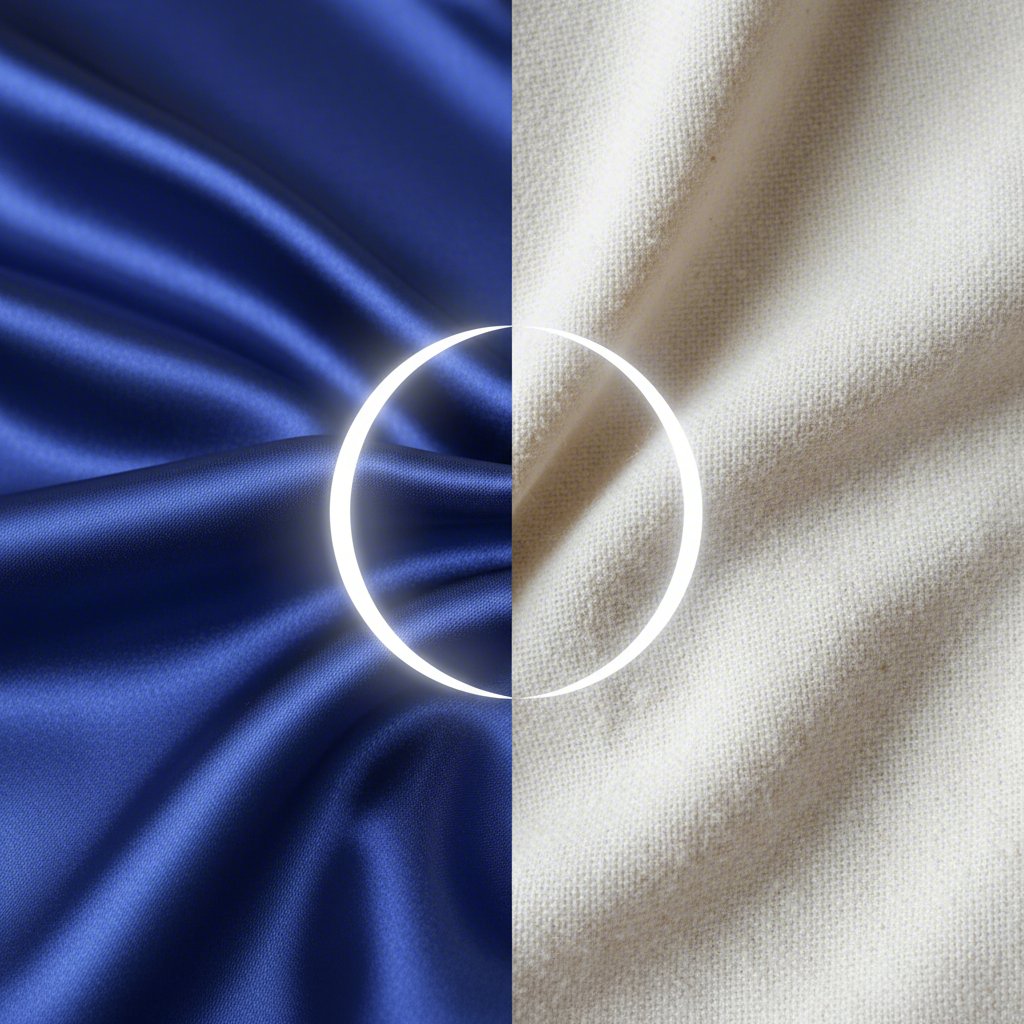
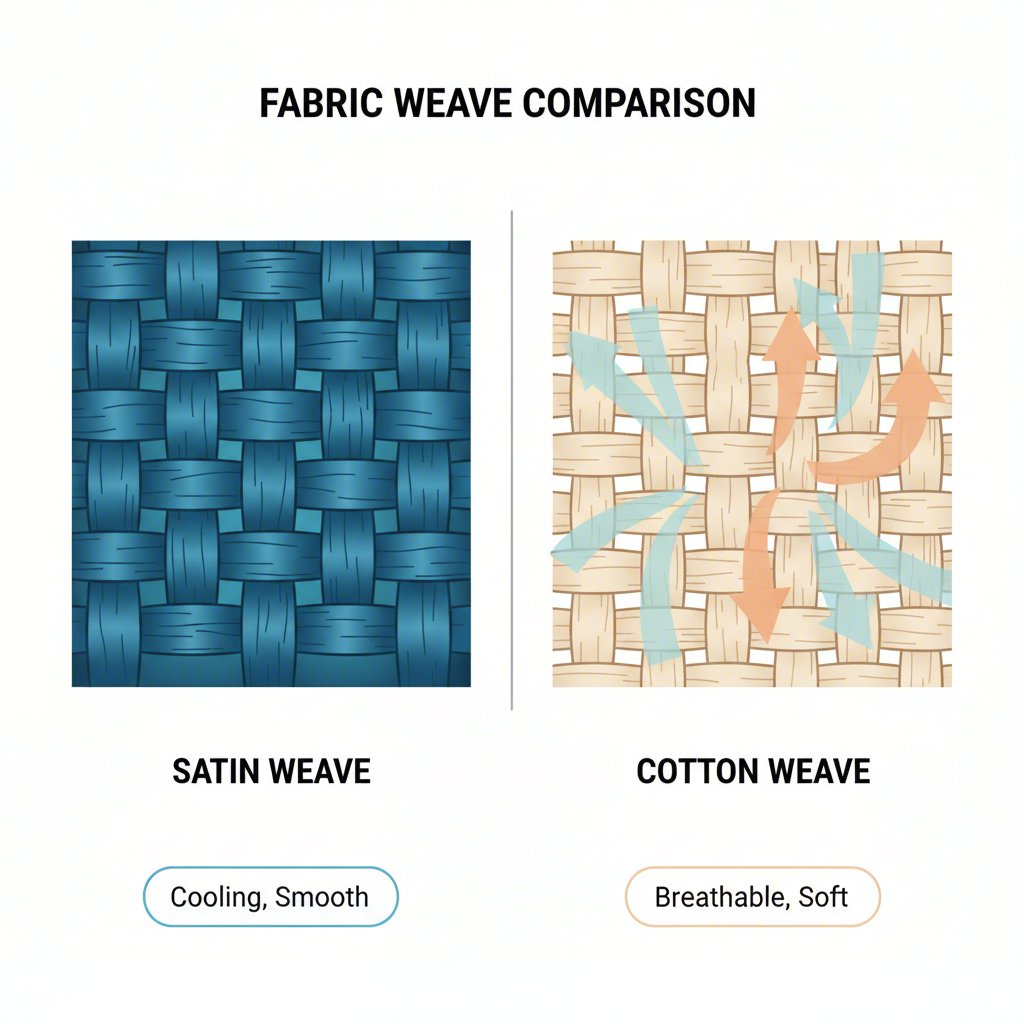
Understanding the fundamental differences between satin and cotton is the first step to finding your perfect sleep companion. It's important to note that satin is not a fiber but a specific type of weave that creates a glossy, smooth surface. Satin masks are typically made from synthetic fibers like polyester. In contrast, cotton is a natural plant fiber known for its softness and breathability. This distinction in origin and structure leads to very different performance characteristics when worn over your eyes all night.
Each material offers a unique set of trade-offs related to how it feels against your skin, how it interacts with moisture, and its overall cost and durability. For some, the luxurious, skin-protecting glide of satin is non-negotiable. For others, the familiar, airy comfort of cotton is the key to a restful night. This table provides a quick summary to help you identify which factors matter most to you.
| Feature | Satin Sleep Mask | Cotton Sleep Mask |
|---|---|---|
| Material Origin | Typically a synthetic weave (e.g., polyester) | Natural plant-based fiber |
| Texture & Feel | Glossy, smooth, and slippery | Soft, matte, and cozy |
| Skincare Benefits | Low friction, does not absorb creams or oils | Absorbs moisture, oils, and skincare products |
| Breathability | Less breathable; can trap heat | Highly breathable and allows for good airflow |
| Moisture Interaction | Traps moisture due to low breathability | |
| Typical Cost | Affordable to mid-range | Budget-friendly |

Skincare and Hypoallergenic Benefits: Which Is Gentler on Your Skin?
One of the most significant factors driving the choice between satin and cotton is the impact on your skin. The delicate skin around your eyes is particularly prone to creasing and moisture loss during the night. Satin, much like its luxurious natural counterpart, silk, offers distinct advantages in this area. Its smooth, slick surface glides across your skin as you move in your sleep. This minimizes friction, which can help prevent the formation of temporary sleep lines and be gentler on sensitive areas.
Perhaps more importantly, satin is non-absorbent. Unlike cotton, which acts like a sponge, a satin mask will not soak up your natural skin oils or the expensive eye creams and serums you apply before bed. This means your skincare products stay on your skin where they can work effectively overnight, helping you wake up with a more hydrated and refreshed appearance. Cotton's high absorbency, while beneficial for sweat, can unfortunately strip moisture and product from your face.
While cotton is generally considered hypoallergenic, silk is naturally resistant to dust mites and other allergens. In contrast, the synthetic fibers typically used in satin are not considered hypoallergenic and can sometimes harbor allergens or cause skin irritation. For those seeking the ultimate in skin-friendly materials, high-quality silk is often the premium choice. Businesses looking to provide this luxury experience can explore options from suppliers like Bincai International, which offers wholesale silk sleep masks designed for comfort and effective light blocking with customization services. For the average consumer, a satin mask provides many of these same skin-protecting benefits at a more accessible price point.
Comfort and Performance: Breathability, Moisture-Wicking, and Light Blocking
Beyond skincare, the practical experience of wearing a mask all night depends heavily on its comfort and performance. Here, the choice between satin and cotton becomes a matter of personal preference, especially concerning temperature and moisture management. Both materials are effective at blocking light, which is the primary function of a sleep mask, but they feel very different to wear.
Cotton is the clear winner for breathability. As a natural fiber, it allows for excellent airflow, which helps prevent overheating and keeps the skin cool. This makes it an ideal choice for those who tend to sleep hot, live in warmer climates, or are prone to night sweats. However, its high absorbency means it will soak up that sweat, which can leave the mask feeling damp against your skin.
Satin, particularly when made from polyester, is less breathable and can sometimes trap heat. For some users, this might feel too warm. In contrast, satin is non-absorbent to water. This means that while it can trap sweat due to low breathability, the fabric itself does not become damp in the same way as cotton. This trade-off is a key consideration for your personal comfort.
Cotton Sleep Mask
Pros: Highly breathable, soft and comfortable, feels natural against the skin.
Cons: Absorbs sweat and can feel damp, may absorb skincare products.
Satin Sleep Mask
Pros: Non-absorbent fabric (won't feel damp), feels smooth and luxurious, gentle on hair and skin.
Cons: Can feel warmer to some users, less breathable than cotton.
Durability, Care, and Cost: The Practical Considerations
The final pieces of the puzzle are the practical aspects of owning a sleep mask: how much it costs, how long it will last, and how easy it is to clean. In this category, cotton and satin present a clear choice between budget-friendly convenience and a more delicate, luxurious item. Your lifestyle and willingness to follow specific care instructions will likely guide your decision.
Cotton is renowned for its durability and ease of care. Most cotton sleep masks can be tossed directly into the washing machine with your regular laundry, making them a low-maintenance and practical option for everyday use. They are also the most affordable choice, widely available at a budget-friendly price point, making them accessible to everyone.
Satin masks, while generally more affordable than pure silk, often cost more than their cotton counterparts. Their durability can vary, but the satin weave can be prone to snagging or fraying if not handled carefully. Care instructions often recommend a more delicate approach to preserve the smooth, glossy finish. While some satin masks are machine washable on a gentle cycle, hand washing is often the safest bet to ensure longevity. This makes satin a bit more of an investment in both cost and maintenance.
Care Instructions:
Cotton Masks: Generally machine washable with like colors. Tumble dry on low or air dry. Always check the manufacturer's label for specific instructions.
Satin Masks: Hand washing in cool water with a gentle detergent is often recommended. Avoid wringing or twisting. Lay flat to air dry away from direct sunlight.
Frequently Asked Questions
1. Is cotton or silk/satin better for sleeping masks?
It depends on your priorities. Silk and satin are better for skin and hair health because their smooth surfaces reduce friction and don't absorb water-based moisture or skincare products. Cotton is better for those who prioritize breathability and easy maintenance, especially hot sleepers, as it allows for superior airflow.
2. Is it better to sleep in satin or cotton?
If you have sensitive or dry skin, or if you use expensive night creams, satin is the better choice as it won't strip moisture from your face. If you tend to overheat or sweat at night, cotton is superior due to its exceptional breathability that helps regulate temperature.
3. What is the best fabric for a sleep mask?
There isn't one single "best" fabric for everyone. Silk is often considered the premium choice for its natural, hypoallergenic, and skin-friendly properties. Satin offers a similar smooth feel at a lower cost, making it a great alternative. Cotton is a practical, durable, and highly breathable option that is ideal for budget-conscious users or those in warm climates.
4. Are satin sleep masks good?
Yes, satin sleep masks are an excellent choice for many people. They effectively block out light while providing a smooth, comfortable surface that is gentle on the skin and hair, helping to prevent sleep creases and frizz. They offer a touch of luxury and many of the skincare benefits of silk but are typically more durable and affordable.


 Send Email
 售前客服
售前客服 Skype
Skype WhatsApp