



Satin Sleep Mask Pros and Cons: A Practical Comparison

TL;DR
Satin sleep masks offer a budget-friendly way to enjoy a smooth, silk-like feel that reduces friction on your skin and hair. Their main advantages are affordability and easy maintenance. However, the primary cons of satin sleep masks stem from their synthetic nature; they are less breathable than natural fibers like silk, which can be a drawback for hot sleepers, and may not be ideal for very sensitive skin.
The Primary Advantages of a Satin Sleep Mask
For those seeking to improve their sleep environment without a significant investment, a satin sleep mask presents a compelling case. Defined by its weave rather than its fiber, satin is typically made from synthetic materials like polyester to create a glossy, smooth surface that closely mimics the feel of silk. This unique construction is the source of its most significant benefits, making it a popular choice for sleep accessories.
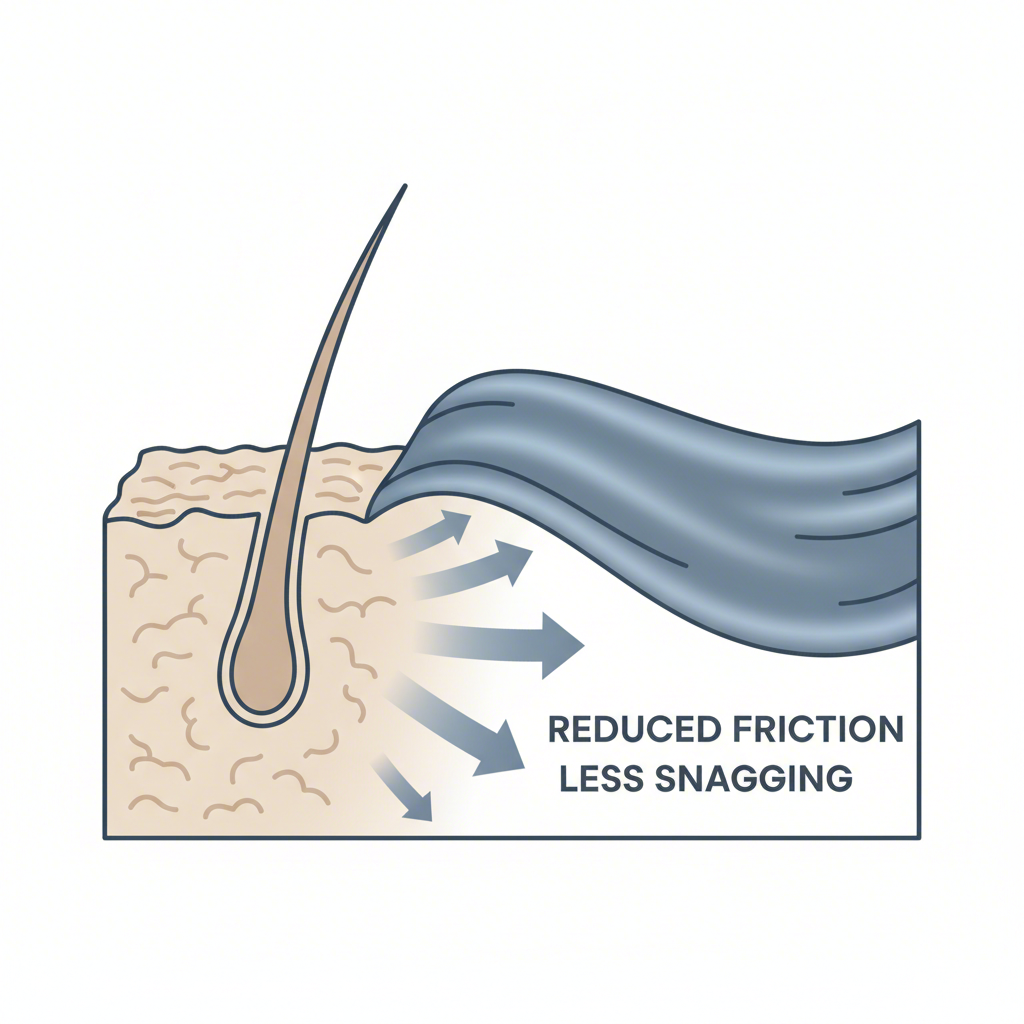
The most celebrated advantage of satin is its incredible smoothness. This slick surface creates minimal friction against your face as you sleep. For your skin, this means waking up with fewer sleep creases and pillow marks. For your hair, it means less snagging and pulling, which can help reduce frizz and breakage, especially for those with delicate or curly hair types. This gentle touch makes it a great entry-level option for anyone looking to protect their skin and hair overnight.
Beyond its feel, satin's practicality is a major selling point. Here are some of the key pros:
Affordability: Satin provides a luxurious, silk-like experience at a fraction of the cost, making it accessible to a much wider audience.
Durability and Easy Care: Unlike delicate silk that often requires hand-washing, most satin masks are durable enough to be machine-washed. This convenience makes it easier to maintain hygiene and keep the mask free of oils and bacteria.
Vegan-Friendly: Because it is made from synthetic fibers, satin is an excellent animal-free alternative to silk, which is derived from silkworms.
Wide Availability: Satin masks are widely produced and come in a vast array of colors and patterns, allowing users to easily find a style that suits their personal taste.
Ultimately, a satin sleep mask is an excellent choice for pragmatic users. If you prioritize a low price point, easy maintenance, and a smooth surface without needing the natural properties of silk, satin delivers exceptional value. It serves as a perfect introduction to the benefits of sleeping with an eye mask, offering comfort and protection without the commitment of a more expensive material.
The Key Drawbacks and Considerations for Satin
While satin sleep masks offer many practical benefits, it's crucial to understand their limitations, which primarily arise from their synthetic composition. The very nature of the fabric—usually polyester—leads to several drawbacks that may be deal-breakers for certain individuals, particularly those with specific skin needs or sleeping habits.
The most significant concern is breathability. Synthetic fibers like polyester do not allow for the same level of air circulation as natural fibers such as silk or cotton. This can cause heat and moisture to become trapped against the skin, leading to sweating and discomfort. For individuals who are naturally hot sleepers or live in warmer climates, a satin mask might feel stuffy and disruptive to a good night's rest.
Furthermore, while satin feels smooth, it doesn't interact with skin moisture in the same way natural fibers do. Unlike silk, which helps the skin retain its natural hydration, some satin weaves can be slightly absorbent, potentially wicking moisture away from your skin and face creams. This can be a concern for those with dry skin. It is also important to maintain any sleep mask properly, as an unwashed mask can accumulate oils and bacteria, potentially leading to skin irritation or breakouts. This risk exists with any mask but is worth noting for those with acne-prone or sensitive skin.
Here is a summary of the main cons to consider:
Lack of Breathability: Can trap heat and moisture, making it less comfortable for hot sleepers.
Synthetic Material: Lacks the natural, hypoallergenic properties of silk, which may be a concern for those with very sensitive skin.
Interaction with Moisture: May draw moisture away from the skin, as it does not help with hydration in the same way natural fibers like silk do.
Durability Concerns: Over time, some lower-quality satin can be prone to pilling or fraying with repeated washing.
Finally, it's important to remember general mask-related issues. Any mask that fits too tightly can put pressure on the eyes, potentially causing temporary blurred vision upon waking. Therefore, choosing a mask with a comfortable, adjustable strap is just as important as the material itself.
Head-to-Head Comparison: Satin vs. Silk
The choice between a satin and a silk sleep mask is one of the most common dilemmas for shoppers. While they appear similar at first glance, their fundamental differences in origin, performance, and cost create a clear trade-off between practical affordability and natural luxury. Understanding these distinctions is key to selecting the right mask for your needs.
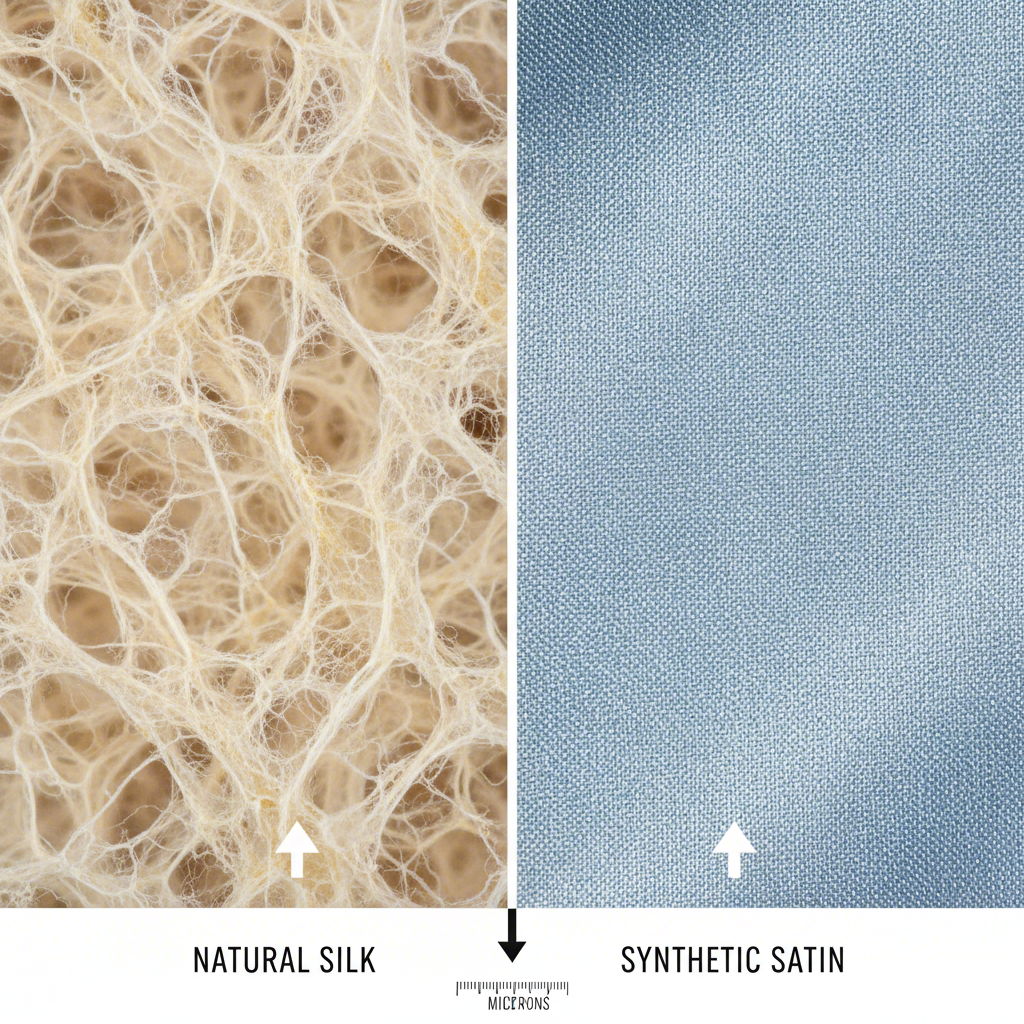
Silk is a natural protein fiber produced by silkworms, celebrated for centuries for its incredible softness and skin-friendly properties. Satin, on the other hand, is not a fiber but a specific type of weave. While some satin can be woven from silk, the satin used in most affordable sleep masks is made from synthetic fibers like polyester. This core difference—natural versus synthetic—drives nearly all the other distinctions in performance and feel.
For those who prioritize skin health, silk is generally considered the superior option. Its natural, hypoallergenic fibers are extremely gentle on sensitive skin, and its unique composition helps your skin retain moisture overnight. It also won't absorb your expensive night creams, ensuring they stay on your skin where they belong. Satin offers a smooth surface that reduces friction but lacks these inherent skincare benefits. For businesses or individuals looking to source high-quality silk masks with options for customization, companies like Bincai International offer wholesale and OEM services for premium silk products.
To make the choice clearer, here is a direct comparison of key attributes:
| Feature | Satin Sleep Mask | Silk Sleep Mask |
|---|---|---|
| Material Origin | Synthetic (usually polyester) | Natural protein fiber |
| Breathability | Low; can trap heat | High; temperature-regulating |
| Skin & Hair Benefits | Reduces friction, preventing creases and frizz | Reduces friction, retains skin moisture, hypoallergenic |
| Care & Durability | Durable and often machine-washable | Delicate; typically requires hand-washing |
| Average Cost | Low to moderate | High |
Ultimately, the decision comes down to your priorities. If your main goals are achieving a smooth feel, protecting your hair, and staying within a budget, a satin mask is an excellent and practical choice. If, however, your priority is investing in skin health, breathability, and the luxurious comfort of a natural fiber, the higher cost of a silk mask is often justified.
Making the Right Choice: Who Should Buy a Satin Sleep Mask?
Choosing the perfect sleep mask is a personal decision that hinges on your budget, skin type, and lifestyle priorities. After comparing the materials, it becomes clear that a satin sleep mask is not a one-size-fits-all solution, but it is the ideal choice for specific types of users. This final guide will help you determine if a satin mask is the right fit for you.
Think of the decision as a balance between practicality and premium features. A satin mask excels in the practical realm—it's affordable, effective at blocking light, feels smooth, and is easy to clean. It delivers on the core promises of a sleep mask without the high price tag and delicate maintenance of its silk counterpart.
A satin mask is perfect for you if:
You are on a budget. This is the number one reason to choose satin. You get about 80% of the smooth feel of silk for a fraction of the price.
You are new to sleep masks. If you're not sure you'll stick with using a mask every night, satin is a low-risk way to try one out before investing in a more expensive option.
You prioritize easy care. The ability to toss your mask in the washing machine is a huge convenience that busy individuals will appreciate.
You need a vegan or animal-free product. As a synthetic material, satin is a great choice for those who avoid animal-derived products like silk.
You might want to consider silk or cotton instead if:
You have very sensitive or acne-prone skin. The natural, hypoallergenic properties of silk are gentler and less likely to cause irritation.
You are a hot sleeper. If you often wake up warm, the superior breathability of silk or cotton will provide much more comfort and prevent sweating.
You prioritize natural fibers. If you prefer to use natural materials for your bedding and clothing, silk or cotton will align better with your lifestyle.
Regardless of the material you choose, remember that fit is just as crucial. Look for a mask with an adjustable strap to ensure it's snug enough to block light but not so tight that it puts pressure on your eyes. The shape—whether flat or contoured to give your eyelashes space—also plays a big role in overall comfort, especially for side sleepers. By considering both material and design, you can find the perfect mask to enhance your sleep quality.
Frequently Asked Questions
1. Is it good to sleep with a satin eye mask?
Yes, for many people, sleeping with a satin eye mask is beneficial. Its smooth surface helps reduce friction on the skin, which can minimize sleep creases and prevent hair from snagging and frizzing. It is an affordable and effective way to block out light and improve sleep quality, especially for those who are not sensitive to synthetic materials.
2. What is the best fabric for a sleep mask?
The best fabric depends on individual priorities. Silk is often considered the premium choice due to its natural, hypoallergenic, and breathable properties that are excellent for skin health. Satin offers a similar smoothness at a lower cost, making it great for budget-conscious users. Cotton is highly breathable and durable, making it ideal for those who prioritize airflow and easy washing.
3. What are the negatives of sleep masks?
Potential negatives are not usually tied to the material but to fit and hygiene. A mask that is too tight can put pressure on the eyes and cause temporary blurred vision. If not washed regularly, any mask can accumulate oils, sweat, and bacteria, which may lead to skin irritation or breakouts. Some people may also find it uncomfortable or feel a sense of dependency over time. These drawbacks can often be managed with proper care and selection.
4. Which is better, silk or satin eye mask?
Silk is generally better for skin health and breathability due to its natural protein fibers and temperature-regulating properties, making it ideal for those with sensitive skin or who sleep hot. Satin is better for those on a budget who want a durable, easy-to-care-for mask that still provides a smooth, friction-reducing surface. The choice comes down to whether you prioritize the premium, natural benefits of silk or the affordability and practicality of satin.


 Send Email
 售前客服
售前客服 Skype
Skype WhatsApp