



Small vs. Large Drawstring Bag: A Practical Capacity Guide
TL;DR
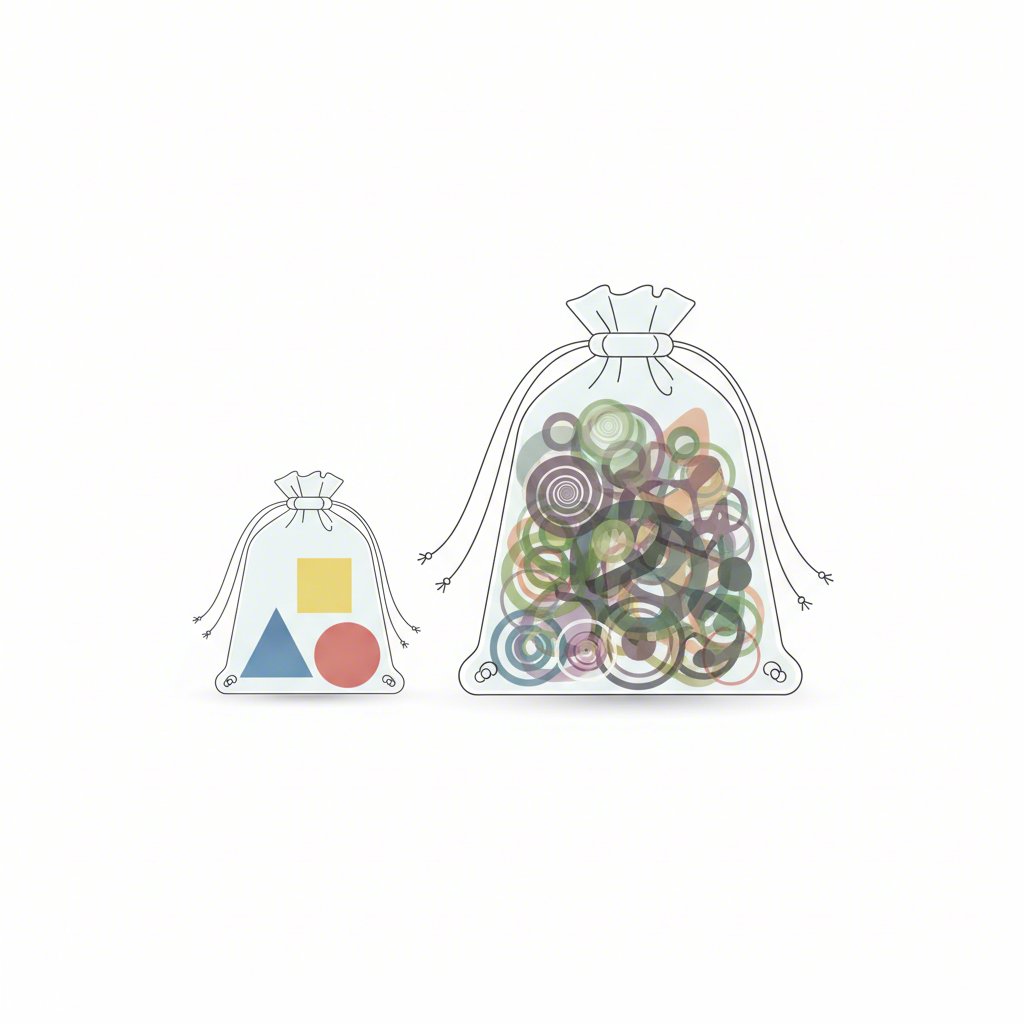
Small drawstring bags typically hold 1 to 5 liters, making them perfect for personal essentials like a phone, wallet, and keys. In contrast, large drawstring bags offer 10 to 20 liters or more, easily fitting gym clothes, shoes, or sports gear. Your ideal choice ultimately depends on the size and bulk of the items you need to carry on a regular basis.
Understanding Drawstring Bag Capacity: Liters vs. Dimensions
When choosing a drawstring bag, you'll encounter two primary measurements of capacity: volumetric (liters) and physical dimensions (inches or centimeters). Understanding both is key to selecting a bag that truly meets your needs. Liters measure the total volume the bag can hold, giving you a general sense of its overall space. For instance, a small 2L bag is for essentials, while a 20L bag can handle a full set of gym gear.
However, liters don't tell the whole story. The bag's physical dimensions, such as 14" W x 18" H, determine if specific items will fit. A bag might have a high liter capacity but be too narrow for a binder or a laptop. The flexibility of the material, like polyester or nylon, also affects how much you can realistically stuff inside, as these fabrics can stretch and adapt to oddly shaped items.
To make an informed decision, it's best to consider both metrics. Liters are great for a quick comparison of overall volume, while dimensions are crucial for ensuring your largest items will fit comfortably. This dual approach prevents the disappointment of buying a bag that’s technically spacious but functionally useless for your specific gear.
| Measurement Type | What It Tells You |
|---|---|
| Liters (L) | The total internal volume; best for understanding overall carrying space for flexible items like clothing. |
| Dimensions (e.g., 14"W x 18"H) | The physical length and width; crucial for fitting rigid or specific-sized items like books, laptops, or sports equipment. |
Small Drawstring Bags: Capacity, Use Cases, and What Fits
Small drawstring bags, typically ranging from 1 to 5 liters in capacity, are designed for minimalism and convenience. They are the ideal solution when you only need to carry a few essential items and want to remain lightweight and unencumbered. Their compact size makes them easy to store, whether in a larger piece of luggage or a car's glove compartment, ready for spontaneous use.
The primary advantage of a small drawstring bag is its portability. It’s perfect for concerts, festivals, quick errands, or short walks where a bulky bag would be a nuisance. However, their limited capacity is also their main drawback. They offer minimal protection for fragile items and are not suitable for carrying anything more than the bare necessities.
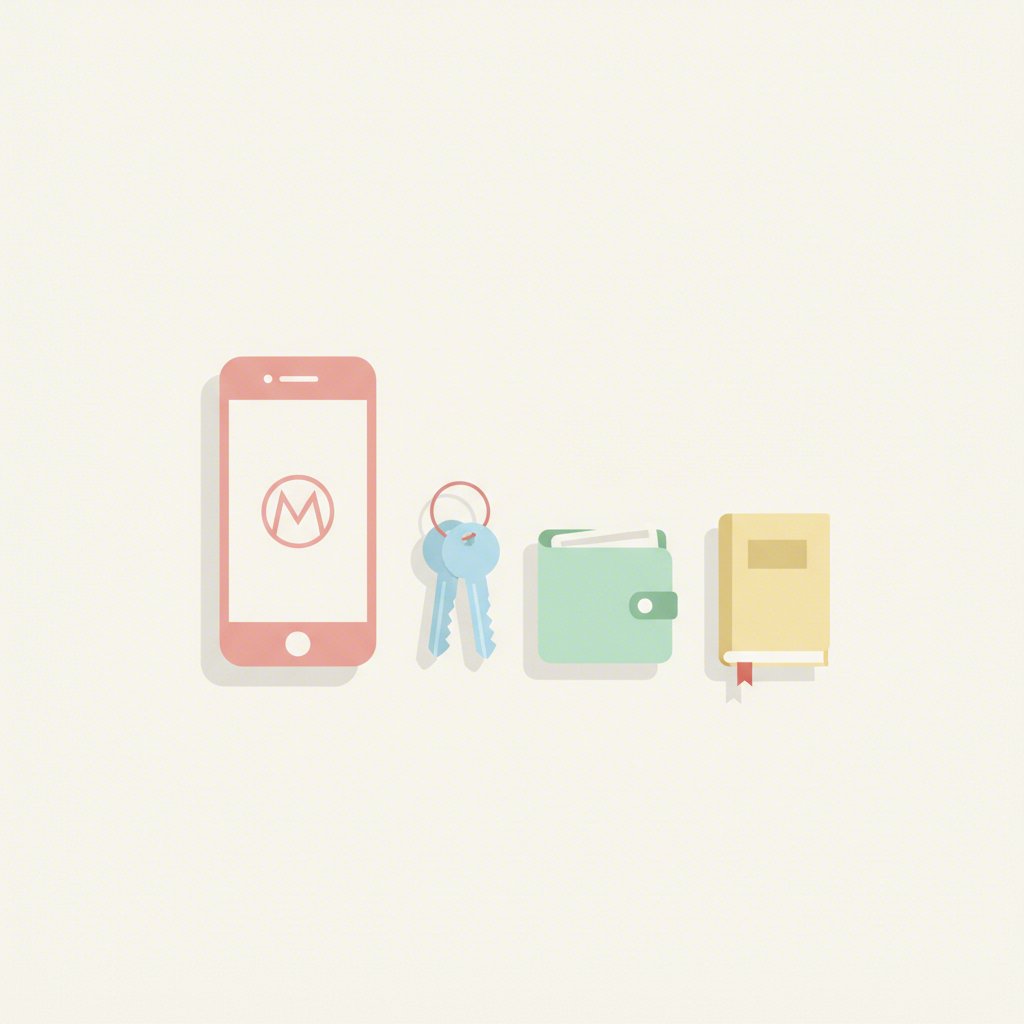
So, what can you realistically carry in a small bag? These bags are built for the essentials that would otherwise crowd your pockets. They provide just enough space for your most important belongings, keeping them secure and accessible.
Phone, wallet, and keys
A small water bottle and a snack bar
Travel-size toiletries
Earbuds and a portable charger
A paperback book or e-reader
Large Drawstring Bags: Capacity, Use Cases, and What Fits
Large drawstring bags, which generally offer a capacity of 10 to 20 liters or more, are built for those who need to carry bulkier gear. These bags provide the versatility to transition from a gym session to a day trip without needing to switch bags. Their generous volume accommodates a wide range of items that simply wouldn't fit in their smaller counterparts, making them a practical choice for active lifestyles.
The main benefit of a large drawstring bag is its ample space. You can easily pack for the gym, a sports practice, or even a light grocery run. On the downside, a larger bag can become heavy and disorganized if not packed thoughtfully, as most feature a single main compartment. The weight of the contents also puts more stress on the drawstring straps, so choosing a bag made from durable material like nylon or polyester is important for longevity.
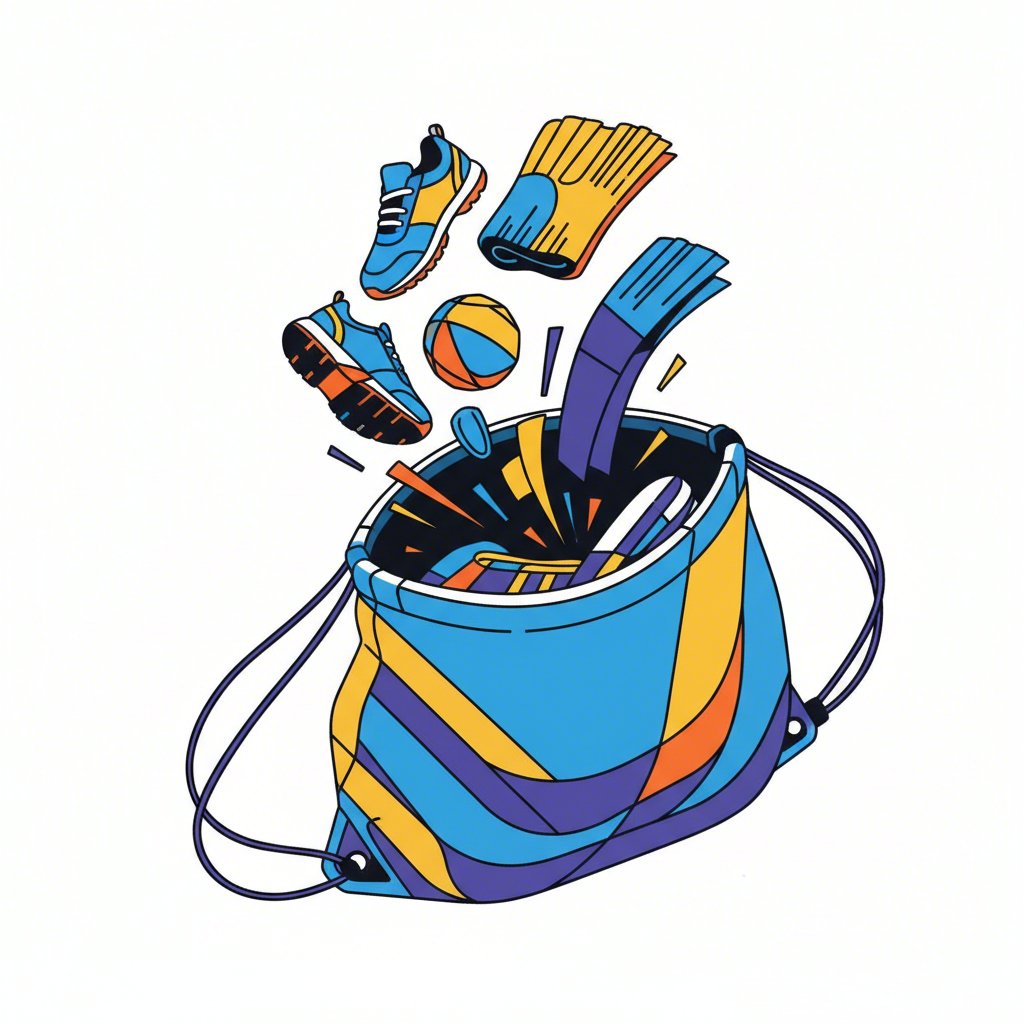
A large drawstring bag is your go-to for carrying full sets of gear. Its capacity is designed to handle clothing, equipment, and other sizable items with ease.
A pair of shoes, gym clothes, and a towel
A standard-sized basketball or soccer ball
Several textbooks and a notebook
A day's worth of beach essentials, including a towel and sunscreen
Groceries for a small household
How to Choose the Right Size for Your Needs
Selecting the perfect drawstring bag boils down to one simple rule: choose based on your primary activity and the largest essential item you plan to carry. Before you buy, identify the bulkiest object you'll need to fit—be it a pair of sneakers, a textbook, or a piece of sports equipment. As recommended by experts at Tote Bag Factory, you should measure that item and choose a bag that is about 0.5 to 2.0 inches wider and at least two inches longer than the item.
Consider the context of your use. A small, lightweight bag is sufficient for a concert or a quick outing, but a day at the gym or a sports practice will almost certainly require a larger capacity. For events, teams, or promotional giveaways, you might need a specific size in bulk. Companies like Bincai Import and Export Co., LTD specialize in creating custom drawstring bags, allowing you to add logos and select the perfect dimensions for your needs.
To simplify your decision, use this table as a quick reference guide to match bag size with common activities. This will help you visualize which option best aligns with your lifestyle and daily requirements.
| Bag Size | Typical Capacity | Best For (Use Case) |
|---|---|---|
| Small | 1-5 Liters | Daily essentials, concerts, short walks, kids' items |
| Medium | 6-11 Liters | Light gym gear, school supplies, day trips |
| Large | 10-20+ Liters | Full gym outfits, sports equipment, travel, groceries |
Finally, follow this simple checklist to make a confident choice:
List Your Essentials: Write down everything you plan to carry regularly.
Identify the Bulkiest Item: Find the largest, most awkwardly shaped item on your list.
Measure and Add Room: Measure its dimensions and add at least two inches to both the width and height.
Match to a Bag Size: Use these measurements to select a small, medium, or large bag.
Consider the Activity: Double-check that your chosen size makes practical sense for your intended activity.
Frequently Asked Questions
1. What is a good size for a drawstring bag?
A good size depends entirely on your needs. Small bags (1-5L) are ideal for carrying just a few personal items. Medium bags are great for gym gear or school supplies, while large bags (10-20L+) are best for travel, bulky sports equipment, or grocery shopping. Always check the dimensions to ensure it fits your largest item.
2. What does 50l capacity mean?
A 50L capacity means the bag can hold 50 liters of volume. This is a very large size, more commonly found in hiking backpacks or travel duffels rather than typical drawstring bags. A bag this large is suitable for multi-day trips or carrying a significant amount of gear.


 Send Email
 售前客服
售前客服 Skype
Skype WhatsApp