



Mesh vs. Solid Drawstring Bag: The Essential Trade-Off
TL;DR
Choosing between a mesh and a solid fabric drawstring bag comes down to a simple trade-off: breathability versus protection. Mesh bags are ideal for carrying wet or sweaty items like gym clothes or beach gear, as their open-weave design allows for excellent airflow that prevents mold and odors. Solid fabric bags, on the other hand, offer superior durability, privacy, and protection for everyday items like books or electronics but can trap moisture. Your best choice depends entirely on what you plan to carry.
The Core Showdown: Breathability vs. Durability
When selecting a drawstring bag, the primary decision revolves around the fundamental differences between mesh and solid fabric construction. Each material offers a distinct set of advantages and disadvantages tailored to specific needs. Understanding this core conflict—the airflow and moisture control of mesh versus the protection and resilience of solid textiles—is the first step in making an informed choice.
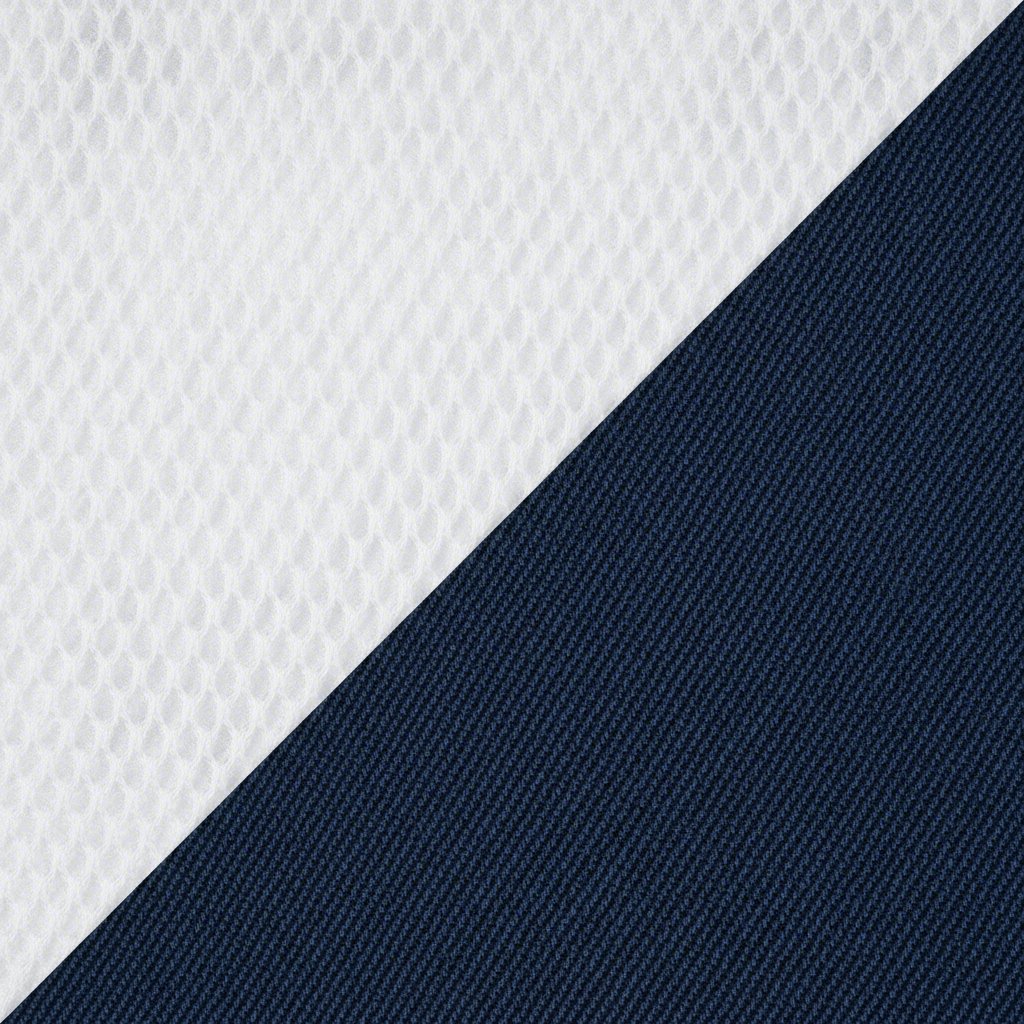
Mesh drawstring bags are defined by their open-weave fabric, which is typically made from materials like nylon or polyester. This grid-like structure is the bag's greatest strength, allowing air to circulate freely. This ventilation is crucial for preventing the buildup of mold, mildew, and unpleasant odors, a common issue when transporting damp items. In contrast, solid fabric bags are crafted from traditional textiles like canvas, polyester, or nylon, featuring a tight weave that creates a protective barrier for the contents inside.
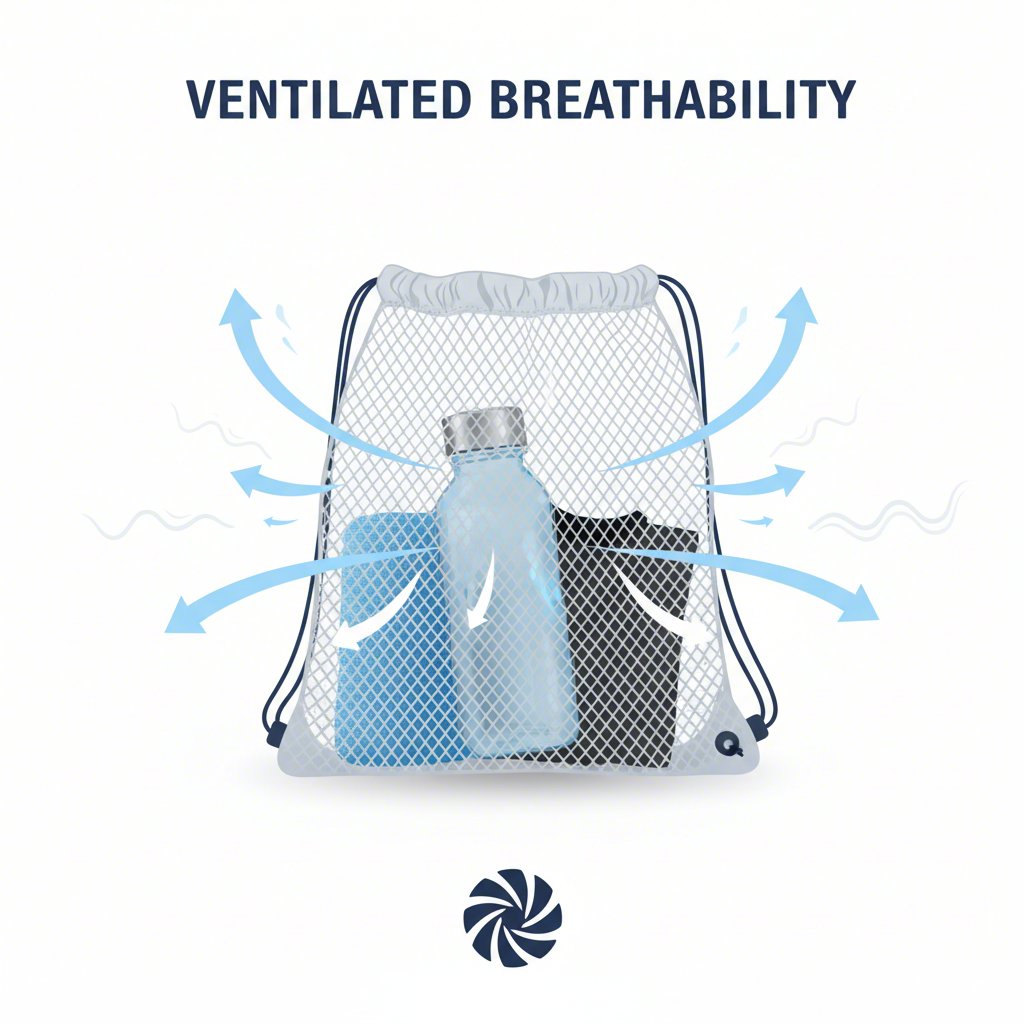
The structural differences directly impact performance. A mesh bag's design allows moisture from sweaty gym clothes or a wet swimsuit to evaporate, making it a hygienic choice for athletes and beachgoers. However, this same openness means it offers little to no protection from impacts, rain, or prying eyes. Solid fabric bags excel where mesh falls short. Their dense construction provides a reliable shield against bumps, abrasions, and light rain, and they offer complete privacy for your belongings. This makes them a versatile all-rounder for daily errands, school, or carrying sensitive items. The downside is their limited breathability, which can turn the bag into a breeding ground for bacteria if damp items are left inside for too long.
| Feature | Mesh Drawstring Bag | Solid Fabric Drawstring Bag |
|---|---|---|
| Breathability | Excellent; allows air to circulate freely, preventing odors and mildew. | Poor; traps air and moisture, which can lead to musty smells. |
| Moisture Control | Allows wet items to dry quickly. Not water-resistant. | Traps moisture. Some materials offer water resistance. |
| Durability | Can be prone to snags and tears, though some modern mesh is surprisingly tough. | Excellent; materials like nylon and canvas are highly resistant to abrasion and tearing. |
| Protection from Impact | None; offers no cushioning for fragile items. | Good; the thick fabric provides a buffer against bumps and drops. |
| Privacy | Low; contents are often visible through the weave. | High; contents are completely concealed. |
| Weight | Extremely lightweight and flexible. | Generally heavier and bulkier due to thicker material. |
Deep Dive on Mesh Bags: When to Choose Open-Weave
Mesh bags are a specialized solution designed for situations where airflow is the top priority. Their unique construction makes them an invaluable accessory for certain activities, though they come with trade-offs that limit their universal appeal. Understanding both their strengths and weaknesses is key to determining if a mesh bag is the right fit for your needs.
The primary advantage of a mesh bag is its superior ventilation. The open-weave fabric allows damp clothes, wet towels, or sandy toys to air out, significantly reducing the risk of mildew and odor. This makes them an excellent choice for gym-goers, swimmers, and families heading to the beach. Furthermore, mesh bags are incredibly lightweight and flexible, allowing them to be easily folded and stored when not in use. The visibility of the contents can also be a benefit, helping you quickly locate an item without having to rummage through the entire bag.
However, the very features that make mesh bags great also create their biggest drawbacks. The lack of solid material means they offer virtually no protection against impacts, making them unsuitable for carrying fragile electronics like laptops or cameras. They are also not water-resistant, as rain will pass directly through the holes. Privacy is another concern, as the contents are visible to others. Finally, while materials like nylon mesh can be quite durable, they are more susceptible to snagging and tearing than their solid fabric counterparts.
Pros
Exceptional Breathability: Prevents mold, mildew, and odors from developing on damp items.
Quick-Drying: The material itself does not absorb much water and dries very quickly.
Lightweight: Minimalist construction makes them easy to carry and store.
Content Visibility: Allows you to easily see what's inside the bag.
Cons
No Impact Protection: Offers no cushioning for fragile or electronic items.
Not Weather-Resistant: Does not protect contents from rain or dust.
Lack of Privacy: Items inside are visible to others.
Prone to Snagging: The open weave can catch on sharp objects more easily than solid fabric.
Common materials for mesh bags include nylon and cotton. Nylon mesh is prized for its lightweight strength and durability, making it a popular choice for laundry and sports bags. Cotton mesh is softer and often used for produce bags or packaging for delicate items. Ultimately, a mesh bag is worth it when its primary function aligns with your needs, such as airing out gear or carrying items where protection is not a concern.
Understanding Solid Fabric Bags: Protection and Versatility
Solid fabric drawstring bags are the versatile workhorses of the bag world. Known for their durability and protective qualities, they serve a wide range of purposes, from carrying schoolbooks to acting as a go-to daypack for travel. Their robust construction and privacy make them a reliable choice for anyone needing a dependable, all-purpose bag.
The main advantage of a solid fabric bag lies in its strength and ability to protect its contents. Materials like canvas, polyester, and nylon are tough and resilient, capable of handling heavy loads and resisting the wear and tear of daily use. The thick fabric provides a crucial layer of cushioning against minor bumps and impacts, offering better protection for valuables. Furthermore, these bags offer complete privacy, and many materials provide a degree of water resistance, keeping your belongings safe from a sudden shower.
This durability also makes them highly customizable. For global wholesalers and suppliers, companies like Bincai Import and Export Co., LTD offer extensive expertise in creating bespoke sewing products, specializing in custom drawstring bags perfect for branding. With over 13 years of experience, they can easily add logos and craft unique designs for bulk orders, making these bags ideal for promotional giveaways or corporate events.
The primary drawback of solid fabric bags is their lack of breathability. Trapped moisture from a wet umbrella or damp gym clothes can lead to musty smells and mildew if not aired out properly. They are also generally heavier and bulkier than mesh bags, which can be a consideration for those who prioritize a lightweight carry. Despite this, their protective features and versatility often outweigh these cons for general use.
| Material | Key Characteristics | Best For |
|---|---|---|
| Canvas/Cotton | Eco-friendly, durable, and easy to customize. Thicker and heavier. | Everyday use, carrying heavy items, DIY projects, and eco-conscious users. |
| Nylon | Very strong, lightweight, tear-resistant, and often water-resistant. | Travel, sports, and carrying heavier or more valuable items that need protection. |
| Polyester | Durable, lightweight, resistant to fading and stretching, and water-resistant. | Gym use, outdoor activities, and branded promotional bags. |

Making the Right Choice: A Use-Case Buying Guide
Ultimately, the "best" drawstring bag is the one that best fits your lifestyle and intended use. There is no one-size-fits-all answer, but by considering what you'll carry and where you'll be going, you can easily determine whether a mesh or solid fabric bag is the right choice for you. This practical guide breaks down the decision based on common scenarios.
Before you buy, ask yourself a few key questions: What items will I be carrying most often? Do those items need protection from impact or weather? Is breathability a priority to prevent odors? Do I value privacy for my belongings? Answering these will point you toward the ideal material.
For the Gym-Goer: Mesh
If your bag's primary purpose is to haul sweaty clothes, towels, and shoes after a workout, a mesh bag is the undisputed winner. Its superior airflow will allow moisture to evaporate, preventing the dreaded gym-bag stink and keeping your gear fresher for longer. The lightweight design is also a plus when you're already tired from your session.
For the Student: Solid Fabric
A student needs a bag that can protect books, notebooks, and possibly a tablet or laptop from the elements and the rigors of campus life. A solid fabric bag, preferably made of durable nylon or canvas, offers the necessary protection and strength to carry heavy textbooks. Its privacy is also essential for keeping personal items secure.
For the Beach Lover: Mesh
A day at the beach involves sand, wet swimsuits, and damp towels. A mesh bag is the perfect companion, as it allows sand to simply fall through the weave instead of collecting at the bottom. It also lets wet items begin to dry on the way home, preventing musty smells. Look for a durable nylon mesh that can handle sharp shells or rough surfaces.
For the Traveler or Commuter: Solid Fabric
When traveling or commuting, you need a versatile and secure bag. A solid fabric drawstring bag provides the protection and privacy required for carrying valuables like a wallet, phone, and travel documents. Some travelers might even carry both: a solid bag for their main gear and a small, foldable mesh bag for laundry.
In the end, the choice is simple. Choose mesh for breathability when carrying wet or odorous items. For everything else that requires durability, protection, and privacy, a solid fabric bag is the more versatile and reliable option.
Frequently Asked Questions
1. What materials work best for drawstrings?
The drawstring cord itself can be made from various materials, including cording, ribbon, twill tape, or even leather. For most bags, a robust braided cord made from nylon or polyester is common because it is strong, durable, and slides smoothly through the bag's casing.
2. Are mesh bags worth it?
Yes, mesh bags are absolutely worth it for specific applications. They are invaluable for carrying gym clothes, swim gear, or as laundry bags to protect delicate garments in the wash. Their ability to promote airflow and prevent mildew makes them a highly practical choice for these uses.
3. What is the strongest type of drawstring bag material?
Nylon is widely considered one of the strongest and most resilient materials for drawstring bags. It boasts excellent resistance to tears and abrasions, making it ideal for heavy use and carrying bulky items. High-denier nylon offers a superior strength-to-weight ratio.
4. What materials are commonly used for drawstring bags?
Drawstring bags are made from a wide variety of materials to suit different needs and budgets. The most common include cotton and canvas for their eco-friendliness and customizability, polyester and nylon for their durability and water resistance, and mesh for its breathability.


 Send Email
 售前客服
售前客服 Skype
Skype WhatsApp