



Polyester Satin vs Silk Sleep Mask: Which Is Truly Better?
TL;DR
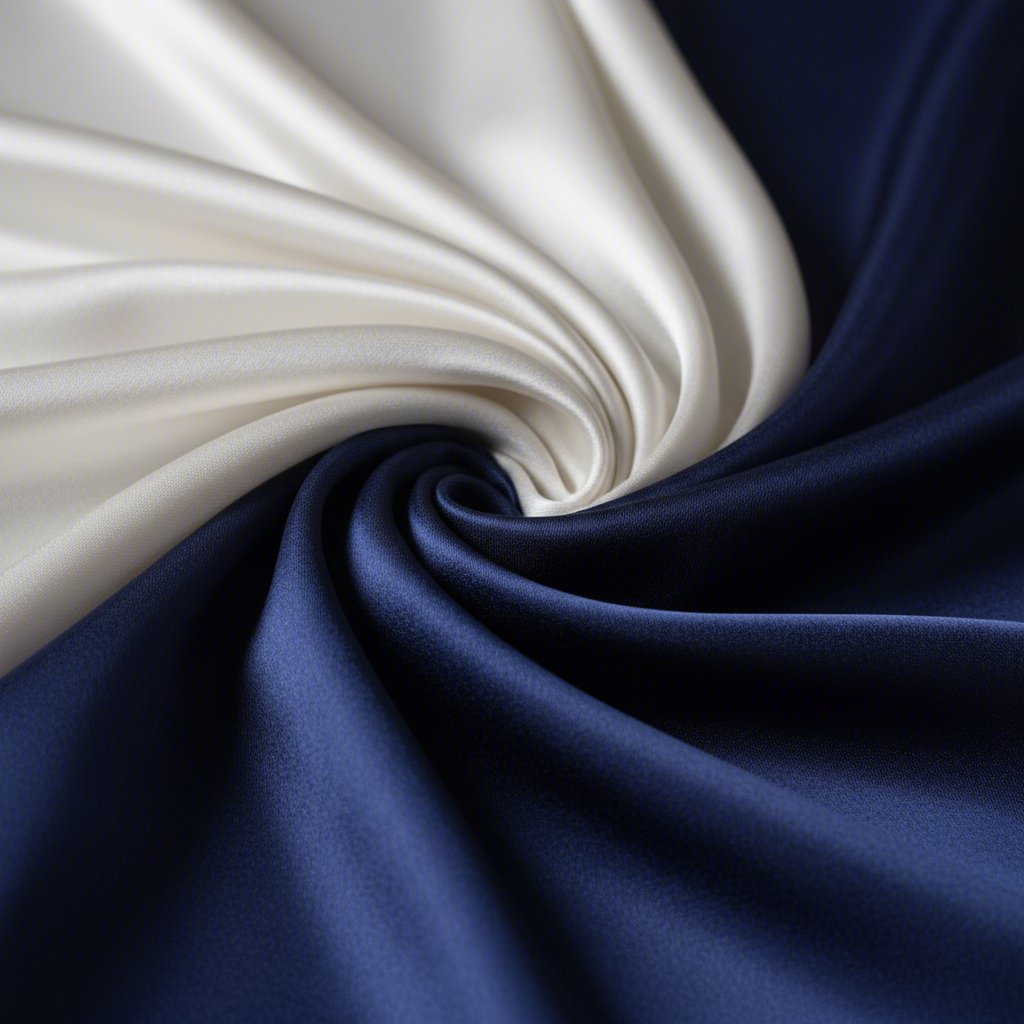
When choosing between a polyester satin vs silk sleep mask, the decision comes down to natural luxury versus a synthetic alternative. Silk, a natural protein fiber, is superior for skin and hair health because it's breathable, hypoallergenic, and reduces friction. Polyester satin is a woven synthetic fabric that offers a similar glossy feel at a lower price point and is generally more durable and easier to wash. However, it lacks silk's natural benefits and can trap heat, making silk the premium choice for sensitive skin and ultimate comfort.
Material Fundamentals: Natural Silk Fiber vs. Synthetic Satin Weave
Understanding the core difference between silk and satin is the first step to making an informed choice for your sleep mask. Many people use the terms interchangeably, but they are fundamentally different. Silk is a natural fiber, while satin is a type of weave. This distinction is crucial because it affects everything from how the mask feels on your skin to its long-term benefits and durability.
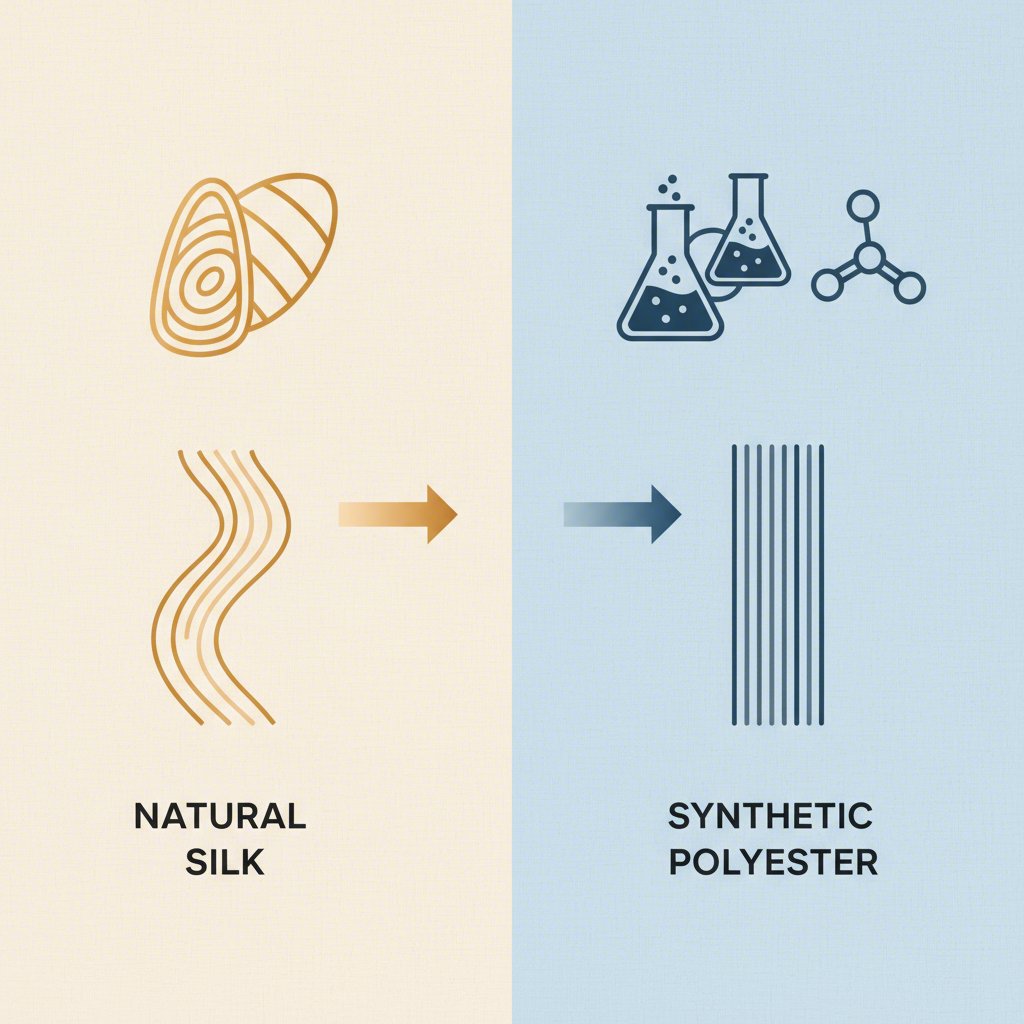
Silk is a protein-based fiber produced by silkworms to create their cocoons. The most prized variety, Mulberry silk, comes from the Bombyx mori silkworm, which feeds exclusively on mulberry leaves. This highly controlled diet results in long, uniform, and incredibly strong fibers. The process of harvesting and weaving these natural filaments is labor-intensive, which contributes to silk's reputation as a luxury material. As a natural product, pure silk is breathable, hypoallergenic, and has inherent temperature-regulating properties.
On the other hand, satin is not a fiber but a specific weaving technique that creates a glossy, smooth surface on one side of the fabric and a duller finish on the back. While satin was originally woven from silk threads, today the term most often refers to fabric made from synthetic polymers like polyester, nylon, or rayon. As one source aptly puts it, satin is the weave, not the material. This means when you buy a "satin" sleep mask, you are typically buying a polyester product designed to imitate the feel of silk. Because polyester is essentially a plastic, it lacks the natural breathability and moisture-wicking properties of silk.
A simple way to tell the difference is by examining both sides of the fabric. A high-quality silk product will have a similar sheen and smoothness on both sides. Polyester satin is typically shiny on one side and dull on the other. When shopping, always check the label. Look for "100% Mulberry Silk" to ensure you're getting the genuine article, not a synthetic imitation masquerading under a similar name.
| Feature | Silk | Polyester Satin |
|---|---|---|
| Origin | Natural protein fiber from silkworms | Synthetic polymer (plastic-based) |
| Composition | Natural protein and amino acids | Man-made fibers like polyester or nylon |
| Feel | Incredibly smooth, soft, and luxurious | Slippery and smooth, but less refined |
| Breathability | Highly breathable and temperature-regulating | Poor breathability; can trap heat and moisture |
Skin & Hair Benefits: The Ultimate Comparison
For most people, the decision between a silk and polyester satin sleep mask comes down to one critical factor: which is better for your skin and hair? The overwhelming consensus, supported by dermatologists and material science, is that silk offers far superior benefits. Its natural composition interacts with your skin and hair in a way that synthetic materials simply cannot replicate.
Silk's primary advantage is its incredibly smooth surface, which minimizes friction. According to research mentioned by Blissy, silk can reduce friction by up to 43% compared to materials like cotton. This is crucial for the delicate skin around your eyes, as less pulling and tugging overnight means fewer sleep creases, which can develop into fine lines over time. For hair, this same low-friction surface allows strands to glide smoothly, preventing the tangles, frizz, and breakage often caused by coarser fabrics.
Furthermore, silk is a protein-based fiber that helps your skin and hair retain their natural moisture. Unlike absorbent materials that can wick away your expensive night creams and natural oils, silk helps keep that hydration where it belongs. Dr. Nicole Salame, a dermatologist interviewed for an article by Glamour and quoted by Fishers Finery, confirms that silk helps retain moisture and natural oils, promoting hydration and shine. This makes it an excellent choice for those with dry or sensitive skin. Polyester satin, being non-absorbent, doesn't strip moisture, but it also doesn't offer the same nurturing properties.
Finally, silk is naturally hypoallergenic and breathable. Its protein structure is resistant to dust mites, mold, and mildew, making it ideal for allergy sufferers or those with sensitive skin. Its breathability allows air to circulate, which helps regulate temperature and reduce sweating—a common issue with synthetic polyester masks that can trap heat and lead to clogged pores or irritation. For anyone prone to acne or who sleeps hot, a silk mask provides a much more comfortable and hygienic sleep environment.
| Benefit Category | Silk | Polyester Satin |
|---|---|---|
| Skin Hydration | Helps retain natural oils and moisture | Neutral; does not absorb moisture but doesn't hydrate |
| Hypoallergenic | Naturally resistant to dust mites and allergens | Can be hypoallergenic but may contain synthetic chemicals |
| Breathability | Excellent; regulates temperature and reduces sweat | Low; can trap heat and cause sweating |
| Hair Friction | Very low; prevents frizz, tangles, and breakage | Low, but can still cause more static than silk |
Durability and Care: Which Mask Lasts Longer?
When considering durability and maintenance, there's a clear trade-off between silk and polyester satin. While silk is a surprisingly strong natural fiber, it is also delicate and requires specific care to maintain its luxurious texture and benefits. Polyester satin, on the other hand, is a synthetic product built for convenience and can often withstand more rigorous cleaning routines.
Polyester satin is generally more tolerant when it comes to washing. Most satin sleep masks can be tossed in the washing machine with your regular laundry, making them a low-maintenance option for those with a busy lifestyle. However, this durability has its limits. Synthetic satin is prone to snagging on sharp objects, and over time it can develop pilling, which diminishes its smooth surface. This can shorten its effective lifespan, even if the fabric itself remains intact.
Silk requires a more gentle approach. To preserve its integrity, a silk sleep mask should be hand-washed in cool water with a pH-neutral detergent specifically designed for delicates. Machine washing is sometimes possible, but only on a gentle cycle inside a mesh laundry bag. It should never be put in the dryer; high heat can damage the delicate protein fibers. Instead, it should be gently rolled in a towel to remove excess water and then laid flat or hung to air dry away from direct sunlight.
While this may sound like a lot of work, proper care ensures that a high-quality silk mask will last for years, retaining its softness and beneficial properties. The key is to view it as an investment in your sleep and skin health. Satin offers convenience, but silk offers longevity and sustained performance when treated with care.
Do's and Don'ts for Washing Your Sleep Mask
Do (Silk): Hand wash in cool water with a gentle, silk-specific detergent.
Don't (Silk): Use harsh detergents, bleach, or fabric softeners. Never wring it out or put it in the dryer.
Do (Satin): Machine wash on a gentle cycle with like colors. Use a mild detergent.
Don't (Satin): Wash with heavy items like jeans or towels that can cause snags. Avoid high heat in the dryer to prevent damage to the synthetic fibers.

Cost vs. Long-Term Value: Is Silk Worth the Investment?
Price is often the final and most significant factor for many when choosing between a polyester satin and a silk sleep mask. There is no question that silk is the more expensive option upfront. A genuine 100% Mulberry silk mask can cost significantly more than its polyester satin counterpart, which can often be found for a very low price.
The price difference is rooted in the production process. As a natural fiber, silk production is a complex and resource-intensive process, from raising the silkworms to carefully harvesting and weaving the delicate threads. This meticulous craftsmanship results in a premium product with a corresponding price tag. In contrast, polyester is a synthetic, petroleum-based plastic that is mass-produced cheaply and easily in factories, allowing for much lower retail costs.
However, the initial price tag doesn't tell the whole story. It's essential to consider the long-term value. A high-quality silk mask, with proper care, is incredibly durable and will maintain its skin and hair benefits for years. As noted by Fishers Finery, one quality silk product can outlast several cheaper satin ones, potentially making it a more economical choice over time. Inexpensive satin masks may need frequent replacement due to snagging, pilling, or losing their smooth texture after a few washes.
For those looking to source high-quality masks, whether for personal use or business, options for wholesale and customization exist. For example, some suppliers offer wholesale silk sleep masks that provide the benefits of premium silk with flexible ordering and OEM services. This can be a great way to access luxury quality for branding or personal stock.
Ultimately, the decision is an investment in your personal wellness. If your primary goal is to protect your skin, reduce hair damage, and enjoy a breathable, hypoallergenic sleep experience, silk is undoubtedly worth the higher initial cost. If budget is the main constraint and you simply need an effective light-blocking mask with a smooth feel, polyester satin serves as a perfectly functional and affordable alternative.
Simple Decision Guide:
Invest in silk if: Skin and hair health are your top priorities, you have sensitive or acne-prone skin, you value natural materials, and you are willing to follow proper care instructions.
Choose satin if: Budget is your primary concern, you need a low-maintenance, machine-washable option, or you want to try out a smooth sleep mask before committing to a more expensive one.
Frequently Asked Questions
1. Is silk or satin better for a sleep mask?
Silk is widely considered better for a sleep mask, especially for those with sensitive skin or concerns about hair health. As a natural, breathable protein fiber, silk helps regulate temperature, retains skin's moisture, and is naturally hypoallergenic. Its smooth surface reduces friction, which helps prevent sleep creases and hair breakage. While polyester satin feels smooth, it is a synthetic material that lacks breathability and the natural skin-friendly properties of silk.
2. Is polyester satin as good as silk?
No, polyester satin is not as good as silk, although it serves as a budget-friendly imitation. Silk is a natural fiber with unique benefits like breathability, hypoallergenic properties, and moisture retention that synthetics cannot replicate. Polyester satin can feel smooth but often traps heat and sweat, which can be uncomfortable or lead to skin irritation. Silk provides a more luxurious feel and superior performance for skin and hair care.
3. What are the disadvantages of satin polyester?
The main disadvantages of polyester satin stem from its synthetic nature. It has poor breathability, which can trap heat and moisture against your skin, potentially leading to discomfort or clogged pores. Although it feels smooth, it can snag easily, which shortens its lifespan. It also lacks the natural hypoallergenic benefits of silk, and some synthetic fabrics may contain chemicals from the manufacturing process that could irritate very sensitive skin.


 Send Email
 售前客服
售前客服 Skype
Skype WhatsApp