



Are Satin Sleep Masks Hypoallergenic? The Real Answer

TL;DR
While satin sleep masks are excellent for sensitive skin because their smooth surface reduces friction, they are not considered truly hypoallergenic. Natural silk is the superior choice for allergy sufferers as it inherently resists common allergens like dust mites and mold. Satin provides a budget-friendly way to prevent sleep creases and irritation, but 100% pure silk offers genuine hypoallergenic benefits for those who need them most.
Satin vs. Silk: Unpacking the 'Hypoallergenic' Claim
When searching for a sleep mask that won't irritate your skin, the terms 'satin' and 'silk' often appear interchangeable, but they represent fundamentally different materials with distinct properties. Understanding this difference is key to knowing whether a satin mask is truly hypoallergenic. Satin refers to a type of weave, not a natural fiber. It's typically made from synthetic materials like polyester, creating a glossy, smooth surface that feels luxurious against the skin. This smoothness is its primary benefit for sensitive skin, as it minimizes friction, which can help prevent sleep lines and reduce irritation.
In contrast, silk is a natural protein fiber produced by silkworms. This natural origin is precisely what gives it its hypoallergenic qualities. Unlike synthetic satin, silk is naturally resistant to dust mites, mold, and other common allergens that can trigger reactions in sensitive individuals. While some satin masks are marketed as being made for hypoallergenic individuals, this is largely due to their non-abrasive texture rather than an inherent resistance to allergens. For those with diagnosed allergies, pure silk is the more reliable choice for a reaction-free night's rest.
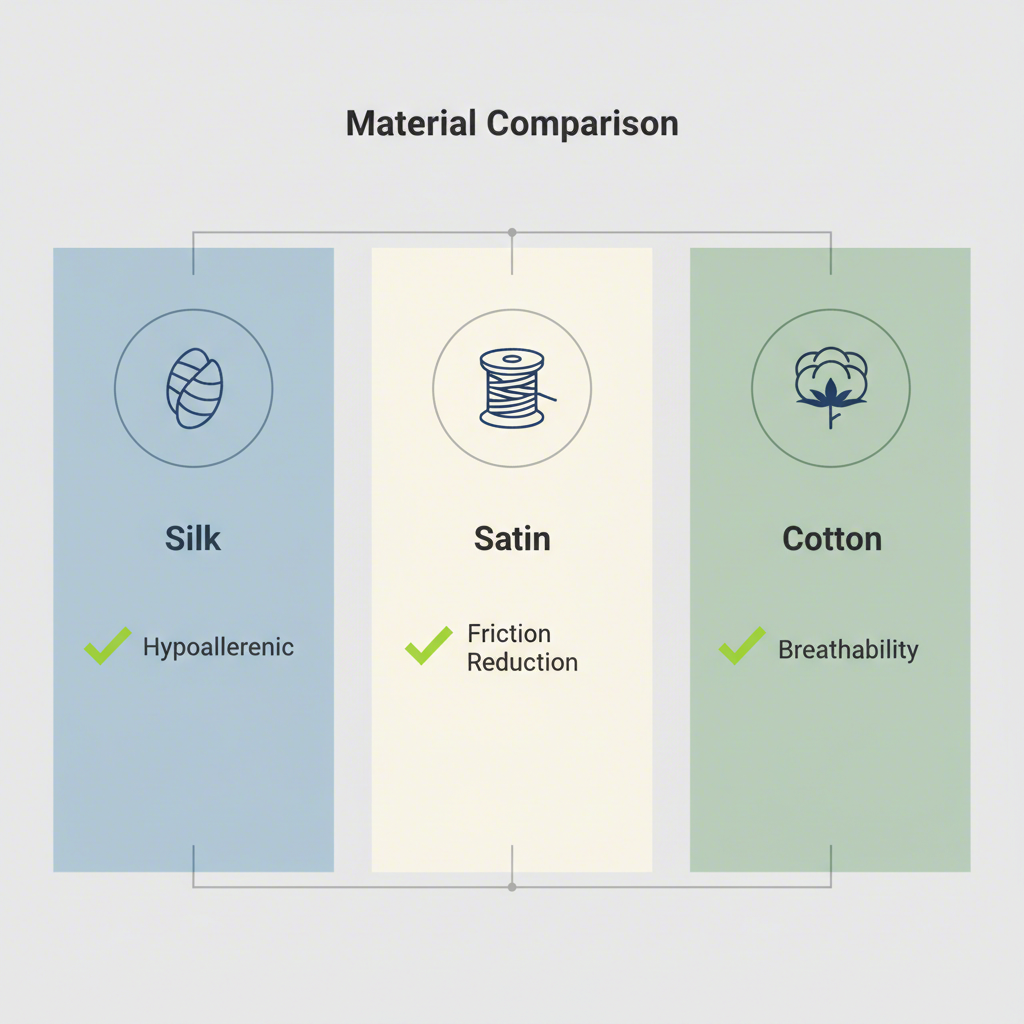
Choosing between them often comes down to specific needs and budget. For businesses or individuals seeking the highest quality for skin health, options like Bincai International's wholesale silk sleep masks offer premium, customizable solutions that leverage the natural benefits of 100% silk. For everyday users whose main concern is preventing skin creases and enjoying a soft texture at an affordable price, satin is a highly effective alternative. To make the decision clearer, here is a direct comparison:
| Feature | Satin Sleep Mask | Silk Sleep Mask |
|---|---|---|
| Material | Synthetic (e.g., polyester) | Natural protein fiber |
| Hypoallergenic | No, but smooth surface reduces friction | Yes, naturally resists dust mites and mold |
| Breathability | Less breathable; can trap heat | Highly breathable; temperature-regulating |
| Friction Reduction | Excellent | Excellent |
| Cost | Affordable | Premium |
| Care | Often machine washable | Requires gentle hand washing |
A Guide to Choosing the Best Sleep Mask for Sensitive Skin
Finding the perfect sleep mask for sensitive skin goes beyond the silk versus satin debate. Several factors contribute to comfort and can prevent irritation, ensuring your mask is a soothing part of your nightly routine. The fit and design are just as crucial as the fabric. Look for masks with a contoured or 3D shape that curves away from your eyes. This design minimizes pressure on your eyelids and prevents the fabric from rubbing against your delicate skin, which is a common source of irritation.
The type of strap is another critical element. A non-adjustable elastic band can be too tight, causing pressure, or too loose, allowing the mask to shift and create friction. An adjustable strap, whether it's a soft velcro or a sliding buckle, allows you to customize the fit for maximum comfort and stability. Furthermore, consider other materials that cater to sensitive skin. Cotton is a natural, breathable, and durable option, though it can absorb moisture from the skin. For an eco-conscious choice, bamboo viscose is celebrated for being exceptionally soft, breathable, and gentle, often marketed as a vegan alternative to silk.
To simplify your search, use this checklist to ensure you find a mask that meets all your sensitive skin needs:
Verify the Material: For true hypoallergenic properties, choose 100% mulberry silk. For friction reduction on a budget, satin is suitable. For natural breathability, consider organic cotton or bamboo.
Look for an Adjustable Strap: Ensure the mask can be fitted securely but gently to your head to prevent both pressure and slipping.
Consider a Contoured Design: A 3D shape that allows space for your eyes and lashes provides superior comfort and reduces contact with the skin.
Check for Certifications: An OEKO-TEX certification ensures the fabric has been tested for harmful substances, making it a safer choice for sensitive skin.
Choose Fragrance-Free Options: Some masks come with added scents like lavender. If you have sensitivities, opt for a mask with no added fragrances to avoid potential irritation.
Maximizing Benefits and Avoiding Irritation: Sleep Mask Best Practices
A high-quality sleep mask does more than just block light to improve melatonin production; it can also offer significant skin benefits. Smooth materials like silk and satin help preserve your skin's moisture by not absorbing nighttime creams and natural oils as much as absorbent fabrics like cotton. This gentle, frictionless surface also helps prevent the formation of sleep creases, which can develop into wrinkles over time. By creating a protective barrier, the right mask ensures you wake up looking as refreshed as you feel.
However, even the best sleep mask can cause problems if not cared for properly. The most common cause of skin irritation or breakouts from a sleep mask is not the material itself, but the buildup of bacteria, oils, and sweat. A dirty mask pressed against your face for eight hours a night can clog pores and even lead to eye infections. It is crucial to establish a regular cleaning routine to keep your mask hygienic and safe for your skin.
Proper hygiene is simple but non-negotiable for any sleep mask user. Follow these steps to keep your mask clean and your skin clear:
Check the Care Label: Before washing, always check the manufacturer's instructions. Silk almost always requires hand washing, while satin and cotton may be machine washable.
Use a Gentle Detergent: Choose a pH-neutral or mild detergent, especially for natural fibers like silk. Harsh chemicals can damage the fabric and irritate your skin.
Wash by Hand: For silk and other delicate masks, fill a basin with cool water and a small amount of detergent. Gently agitate the mask, let it soak for a few minutes (but not too long), and then rinse thoroughly with cool, clean water.
Do Not Wring: Squeeze out excess water gently by pressing the mask between two clean, dry towels. Wringing or twisting can damage the delicate fibers.
Air Dry Flat: Lay the mask flat on a towel away from direct sunlight or heat, as this can cause fading and damage. Allow it to air dry completely before using it again.
Wash Frequently: Aim to wash your sleep mask at least once a week, or more often if you have oily or acne-prone skin.
Frequently Asked Questions
1. What sleep mask doesn't irritate skin?
Masks made from 100% pure mulberry silk are widely recommended for preventing skin irritation. Silk is naturally hypoallergenic, breathable, and has a smooth surface that glides over the skin with minimal friction. Combining a silk mask with features like an adjustable strap and a contoured fit further minimizes pressure and contact, making it an ideal choice for sensitive skin.
2. What is the best fabric for a sleep mask?
The best fabric depends on your primary needs. For those with allergies or a focus on skincare benefits, silk is the top choice due to its natural hypoallergenic and moisture-retaining properties. If you prioritize breathability and durability, cotton is an excellent and affordable option. For those seeking the smooth, luxurious feel of silk at a lower price point, satin is a great alternative that excels at reducing friction.
3. What are the benefits of a satin sleeping mask?
The main benefits of a satin sleeping mask are its smooth, frictionless surface and its affordability. The slick texture is gentle on both skin and hair, helping to prevent sleep creases and hair breakage. It effectively blocks out light to promote deeper sleep and provides a touch of luxury without the high cost of pure silk.
4. Can a sleep mask cause eye irritation?
Yes, any sleep mask can cause irritation, breakouts, or even eye infections if it is not kept clean. Bacteria, natural oils from your skin, and makeup residue can accumulate on the fabric. Regularly washing your sleep mask according to its care instructions is essential to prevent these issues and ensure it remains a healthy part of your sleep routine.


 Send Email
 售前客服
售前客服 Skype
Skype WhatsApp