



Canvas vs. Cotton Drawstring Bag: A Guide to the Best Choice
TL;DR
Choosing between a canvas vs. cotton drawstring bag comes down to balancing durability with softness. Canvas is essentially a heavy-duty version of cotton, featuring a thicker, tighter weave that makes it exceptionally durable and ideal for carrying heavy items. Standard cotton is lighter, softer, and more breathable, making it a better choice for casual, lightweight use where comfort and flexibility are priorities.
Material Deep Dive: What Truly Separates Canvas from Cotton?
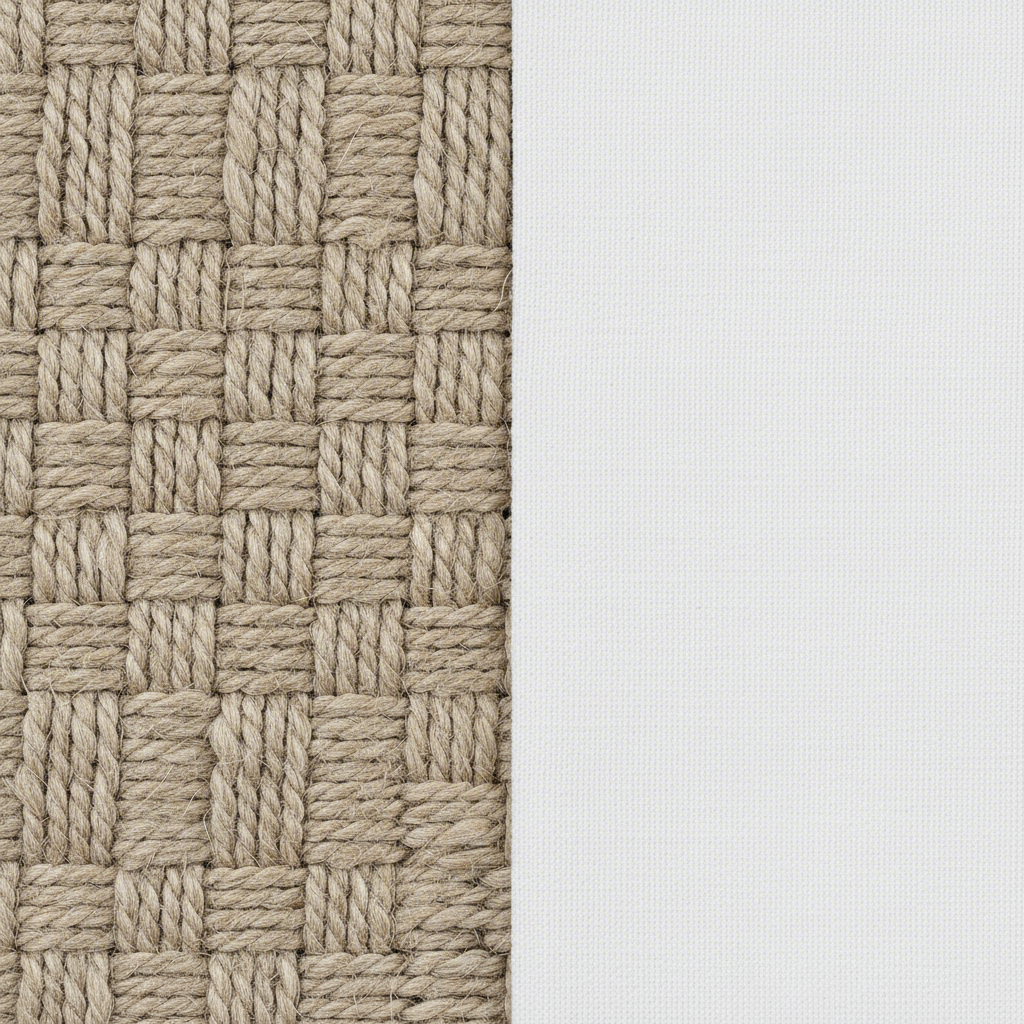
At first glance, canvas and cotton seem similar, and for good reason—most canvas is made from cotton. However, the fundamental difference lies not in the fiber itself, but in the construction of the fabric. Understanding this distinction is key to choosing the right bag for your needs. Cotton fabric is a versatile textile made from the natural fibers of the cotton plant, known for its softness and breathability.
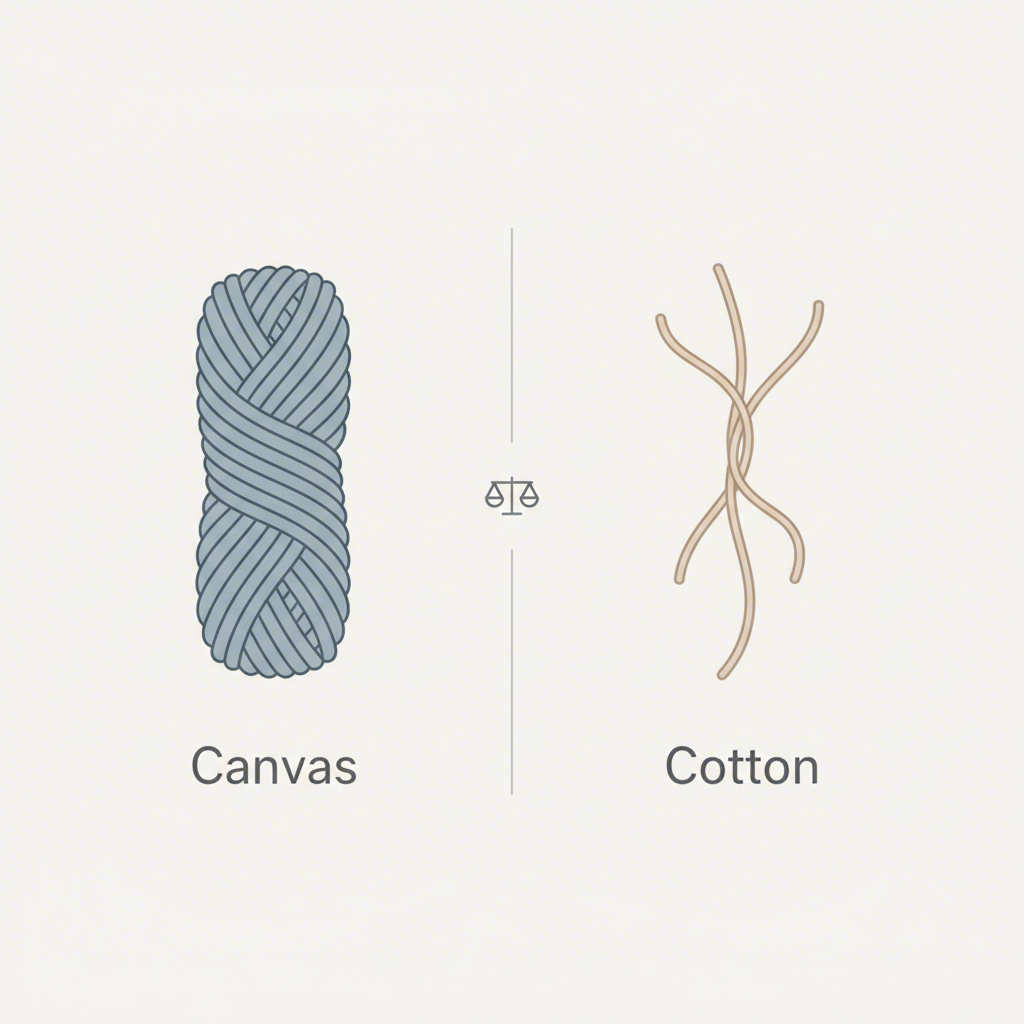
Canvas, on the other hand, is defined by its specific weave. It is a plain-weave fabric that uses thicker, heavier yarns. Often, these yarns are 'plied,' meaning multiple strands are twisted together before being woven, creating a significantly stronger and more substantial material. This process results in a dense, rugged fabric that stands up to wear and tear far better than standard cotton. As one fabric guide from Initi Packing explains, the weave structure and density are what dictate the fabric's strength and texture.
You can often feel and see the difference. A standard cotton bag feels smooth and pliable, while a canvas bag has a rougher, more rigid texture. If you look closely at the edge of the fabric, you can see that canvas threads are visibly thicker than the fine, single-strand yarns typically used in a lightweight cotton bag. This difference is also measured in weight, often expressed in ounces (oz) or grams per square meter (GSM). Canvas bags are typically 8oz (around 270 GSM) or heavier, whereas lightweight cotton bags are considerably less dense.
| Feature | Canvas | Standard Cotton |
|---|---|---|
| Weave | Heavy-duty plain weave (duck canvas) | Varies (often a lighter plain weave) |
| Yarn Thickness | Thick, often plied (multi-strand) yarns | Finer, single-strand yarns |
| Typical Weight | Heavier (8oz / 270+ GSM) | Lighter (3-6oz / 100-200 GSM) |
| Feel & Texture | Rougher, stiffer, more structured | Softer, smoother, more pliable |
Durability and Strength: Which Fabric Wins for Longevity?
When it comes to durability, there is a clear winner: canvas. The same dense weave and thick yarns that give canvas its weight and texture also make it exceptionally strong and resilient. It was historically used for sails and tents for its ability to withstand immense stress and harsh conditions. This inherent toughness makes canvas drawstring bags the superior choice for any application that involves heavy loads or rough handling.
Canvas is highly resistant to both abrasion and tearing. Its tight construction prevents snags from easily turning into rips, and it can carry significant weight without stretching or losing its shape. This makes it perfect for uses like a grocery bag, a book tote, or a bag for tools and equipment. According to a guide from RushOrderTees, canvas's heavy-duty nature makes it ideal for carrying heavy items, a sentiment echoed across many fabric comparisons.
In contrast, standard cotton bags are better suited for lighter duties. While perfectly adequate for carrying a change of clothes to the gym or packing a lunch, a thin cotton bag is more susceptible to tearing under stress. The fabric is thinner and the weave is less dense, making it a poor choice for sharp or heavy objects. For a clear decision, consider your primary use: if your bag will face daily wear and heavy contents, investing in the superior strength of canvas will ensure it lasts for years. If you need a simple, lightweight bag for occasional use, cotton is a perfectly suitable and often more affordable option.
| Performance Metric | Canvas | Standard Cotton |
|---|---|---|
| Tear Resistance | High | Low to Moderate |
| Abrasion Resistance | High | Low |
| Load Capacity | Excellent for heavy items | Best for lightweight items |
| Best For | Groceries, books, tools, daily heavy use | Gym clothes, promotional giveaways, dust bags |
Cost, Customization, and Eco-Impact: The Final Deciding Factors
Beyond performance, practical factors like cost, customization potential, and environmental impact often influence the final decision. Generally, standard cotton drawstring bags are less expensive than their canvas counterparts. The production of lightweight cotton fabric requires less raw material and simpler processing, making it a budget-friendly choice, especially for bulk orders like promotional giveaways.
However, when it comes to customization, canvas often has the edge. Its tighter, smoother surface provides an excellent base for high-quality printing. As noted by Tote Bag Factory, canvas is a favorite for projects because it holds prints and colors exceptionally well, resulting in crisp, vibrant designs. This makes it a preferred material for branded merchandise where a premium look is desired. For global wholesalers and suppliers seeking high-quality custom promotional items, companies like Bincai Import and Export Co., LTD specialize in adding logos and crafting unique designs on materials like canvas for bulk orders.
From an environmental perspective, both materials have their pros and cons. As natural fibers, both cotton and canvas are biodegradable. Cotton is praised for being a renewable resource. However, canvas's superior durability means a single canvas bag may have a much longer lifespan than a cotton one, potentially reducing overall consumption and waste. The primary drawback for both is the high water consumption associated with conventional cotton farming. For the most sustainable choice, look for bags made from organic or recycled cotton, whether in a lightweight or canvas weave.
| Factor | Canvas | Standard Cotton |
|---|---|---|
| Typical Cost | Higher | Lower |
| Print Quality | Excellent, sharp details | Good, can be less crisp on looser weaves |
| Durability | Very High (long-term value) | Moderate (best for light use) |
| Eco-Friendliness | Durable, long-lasting; resource-intensive | Biodegradable; resource-intensive farming |
Frequently Asked Questions
1. What is the difference between a cotton bag and a canvas bag?
The primary difference is the fabric's construction and weight. Canvas is a type of cotton fabric that is woven with thicker, often multi-strand yarns in a tight plain weave, making it significantly heavier, stronger, and more durable than standard cotton fabric, which uses finer yarns and a lighter weave.
2. What materials work best for drawstrings?
While this article focuses on the bag material, the drawstring cord itself can be made from various materials like cotton cording, nylon rope, ribbon, or twill tape. The best choice depends on the bag's intended use—a sturdy rope works well for a heavy-duty canvas gym bag, while a soft ribbon might be used for a delicate cotton gift pouch.
3. What are the disadvantages of canvas bags?
The main disadvantages of canvas bags include a higher upfront cost compared to standard cotton and a heavier weight, which may be undesirable for some users. Additionally, producing heavy canvas is more resource-intensive (requiring more cotton and energy), and if left untreated, it can absorb moisture and be prone to staining.


 Send Email
 售前客服
售前客服 Skype
Skype WhatsApp