
OEM vs ODM Bag Manufacturing: How to Choose the Right Model
By Bincai Import and Export Team | Updated: August 19, 2026
Sourcing custom bags from China comes with one critical early decision: OEM or ODM? This choice affects your product uniqueness, budget, production lead time, intellectual property rights, and long-term competitiveness. Many new importers and startup brands pick the wrong model and end up paying too much for design, waiting too long for production, or launching a product that looks the same as everyone else’s.
This guide explains the real differences between OEM and ODM bag manufacturing, when each model makes sense, and how to choose the best fit for your custom pencil bags, cosmetic bags, tote bags, and other promotional sewn products.
What Is OEM? Your Design, Our Production
OEM (Original Equipment Manufacturing) means you provide the finished design—tech packs, material specs, dimensions, and quality standards. The factory follows your instructions exactly and does not make changes without approval. You own the design and tooling, and the product is exclusive to your brand.
Think of it as: “Here are my blueprints, please build it.”
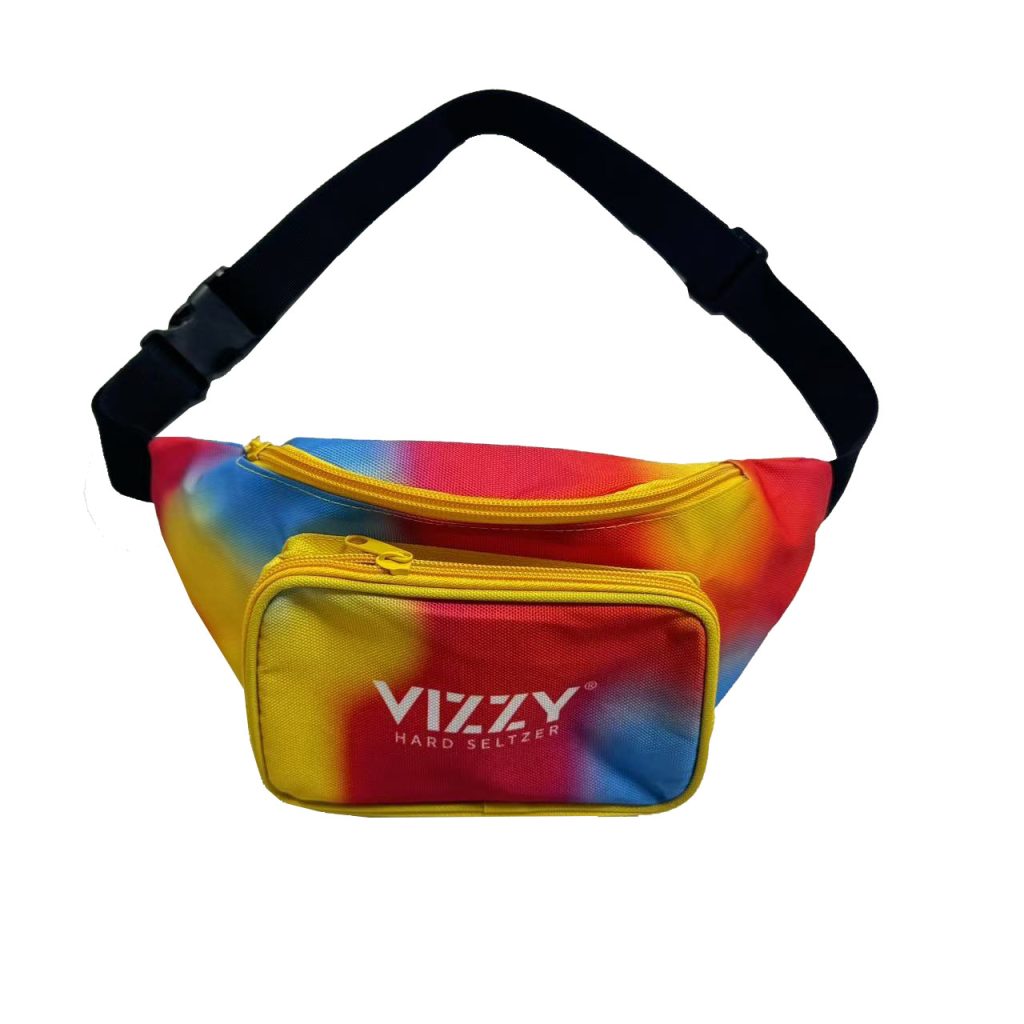
OEM is ideal for:
- Brands that already have finalized designs and tech packs.
- Companies with an in-house design team or established brand identity.
- Projects where exact specifications and repeatable quality are non-negotiable.
- Buyers who need private label bags with full control over every detail.
At Bincai, we run OEM projects for custom pencil cases, cosmetic bags, and tote bags. We follow your tech pack strictly, from fabric weight to stitch density, and confirm every detail before bulk production. See our custom pencil case manufacturing capability.
What Is ODM? Our Design, Your Branding
ODM (Original Design Manufacturing) means the factory has already designed and developed the product. You select a style from the existing catalog and customize it with your logo, colors, or minor changes. This removes the need for your own design work and speeds up the whole process.
Think of it as: “I like this base model, can we tweak it and add my logo?”
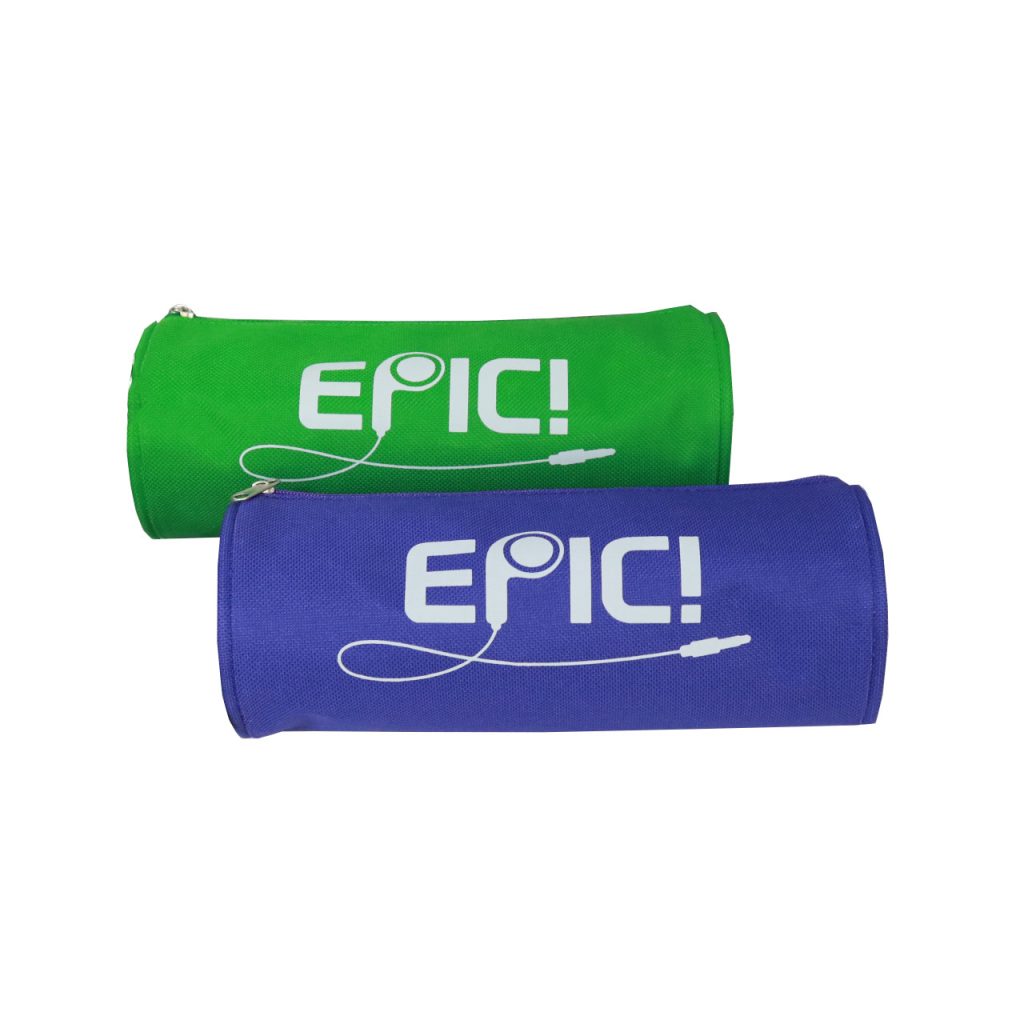
ODM is ideal for:
- Startups and new brands that want to launch quickly without high design costs.
- Buyers who need trendy products already developed by factory experts.
- Promotional items or seasonal gifts with short lead times.
- Companies testing a new market before committing to full OEM.
At Bincai, our ODM line includes popular items like silk sleep masks, portable storage bags, and promotional tote bags. These styles support low MOQ and fast customization, making them a low-risk option for first-time buyers or campaign-based orders.
OEM vs ODM: Side-by-Side Comparison
| Aspect | OEM (Your Design) | ODM (Our Design) |
|---|---|---|
| Design Source | You provide full design and tech pack | Factory provides mature design |
| Upfront Cost | Higher (design + tooling) | Low (customization only) |
| Production Lead Time | Longer (sampling from scratch) | Shorter (modify existing sample) |
| MOQ | Usually higher | Flexible, often lower |
| Product Uniqueness | 100% exclusive | Semi-exclusive; base style shared |
| IP Ownership | You own design and tooling | Factory owns base design; you own branding additions |
| Best For | Mature brands, long-term programs | Startups, market testing, promotions |
How to Choose: OEM, ODM, or Hybrid?
You don’t always have to pick one. In practice, many buyers use a hybrid approach. Here’s how to decide:
- Choose OEM if you have a finished design, a clear brand identity, and plan to reorder the same product long-term.
- Choose ODM if you need to launch quickly, test a market, or produce promotional items on a tight budget.
- Choose Hybrid if you want to balance cost and uniqueness. For example, take an ODM bag shape but add custom lining, hardware, size changes, or a special print technique.
Before making a decision, check our guide on how to verify a reliable custom bag manufacturer in China. The best model means nothing if the factory can’t deliver consistent quality.
Frequently Asked Questions
What is the main difference between OEM and ODM?
In OEM, you provide the full design, and the factory produces exactly what you submit. In ODM, the factory already has ready designs, and you only customize logos, colors, or minor details. OEM gives you full control and exclusivity; ODM is faster and cheaper to start.
Is ODM suitable for long-term brand building?
Yes, many brands start with ODM to test the market and then move to OEM once sales are stable. This reduces risk and upfront investment. You can also protect your brand by choosing ODM styles that are not widely shared, or by requesting exclusive rights to a particular style.
Are there copyright risks with ODM bags?
For standard logo and color customization, there is no copyright risk. The factory owns the base design, and you own your branding additions. If you need full exclusivity, ask about locking a style for your brand or moving to OEM with your own design.
Can Bincai support hybrid OEM and ODM projects?
Yes. We regularly combine ODM base styles with OEM-level customizations, such as changing the lining, hardware, size, or adding special printing. Share your requirements, and we’ll recommend the most cost-effective path.
What is the MOQ difference between Bincai OEM and ODM orders?
Our standard OEM MOQ is 1,000 pieces per style. ODM orders can often start with lower quantities, depending on the product. For long-term partners, we are open to discussing flexible MOQ terms.
Get Expert Guidance on Your Project
At Bincai, we have over 15 years of experience handling both OEM and ODM projects for global clients. We can help you choose the right model and avoid costly mistakes. Learn more about our factory quality commitment.
📱 Click to Chat on WhatsApp: +86 15857935670
📧 Email for Consultation: info@bincai-intl.com
Simply send us your idea or requirements, and we’ll recommend the best way forward.
Pingback: Untitled - Bincai
Pingback: Custom Bag Materials: How to Choose the Right Fabric - Bincai