
By Bincai Import and Export Team | Updated: August 26, 2026
The material of a custom bag is more than just a visual choice. It determines durability, functionality, cost, production lead time, and even how your brand is perceived. For importers and brand owners sourcing promotional sewn products—pencil cases, cosmetic bags, drawstring bags, eye masks, and Christmas hats—choosing the wrong fabric can lead to returns, complaints, or a final product that fails to fit your target market expectations.
This guide breaks down the most common bag materials, compares their strengths and weaknesses, and gives you a practical decision framework for selecting the right fabric for your custom bag project.
Why Material Choice Is a Make-or-Break Decision
Fabric selection affects nearly every aspect of your product and your overall sourcing experience:
- Performance and durability: Will the bag withstand daily use, outdoor conditions, or repeated washing? For products like eye masks and cosmetic bags, softness and shape retention matter more than heavy-duty abrasion resistance. Note that identical base fabric can perform very differently depending on weight, coating, and post-treatment finishing.
- Cost and MOQ: Material cost often accounts for the largest share of your unit price. In our production experience, choosing between premium and standard fabrics typically changes material cost by 15% to 30%, depending on the fabric type and order volume. Some specialty fabrics also carry higher minimum order quantities because they must be custom-dyed or sourced in bulk rolls.
- Aesthetics and brand image: Canvas suggests natural and eco-friendly. PU leather suggests premium quality. Oxford fabric signals practical, hard-wearing performance. Your selected fabric should reinforce your brand positioning.
- Production and lead time: In-stock materials can be cut and sewn with short turnaround. Custom-dyed or imported fabrics can add multiple weeks to your production timeline. For reference, standard bag orders usually ship in about 15 days once materials are confirmed, while large-volume orders—such as 500,000 pencil cases—may take around 35 days.
- Market compliance risk: Goods sold into EU, US, or children-product markets must satisfy chemical, heavy-metal, and color-fastness requirements. Your fabric choice directly impacts whether you can pass third-party lab testing.
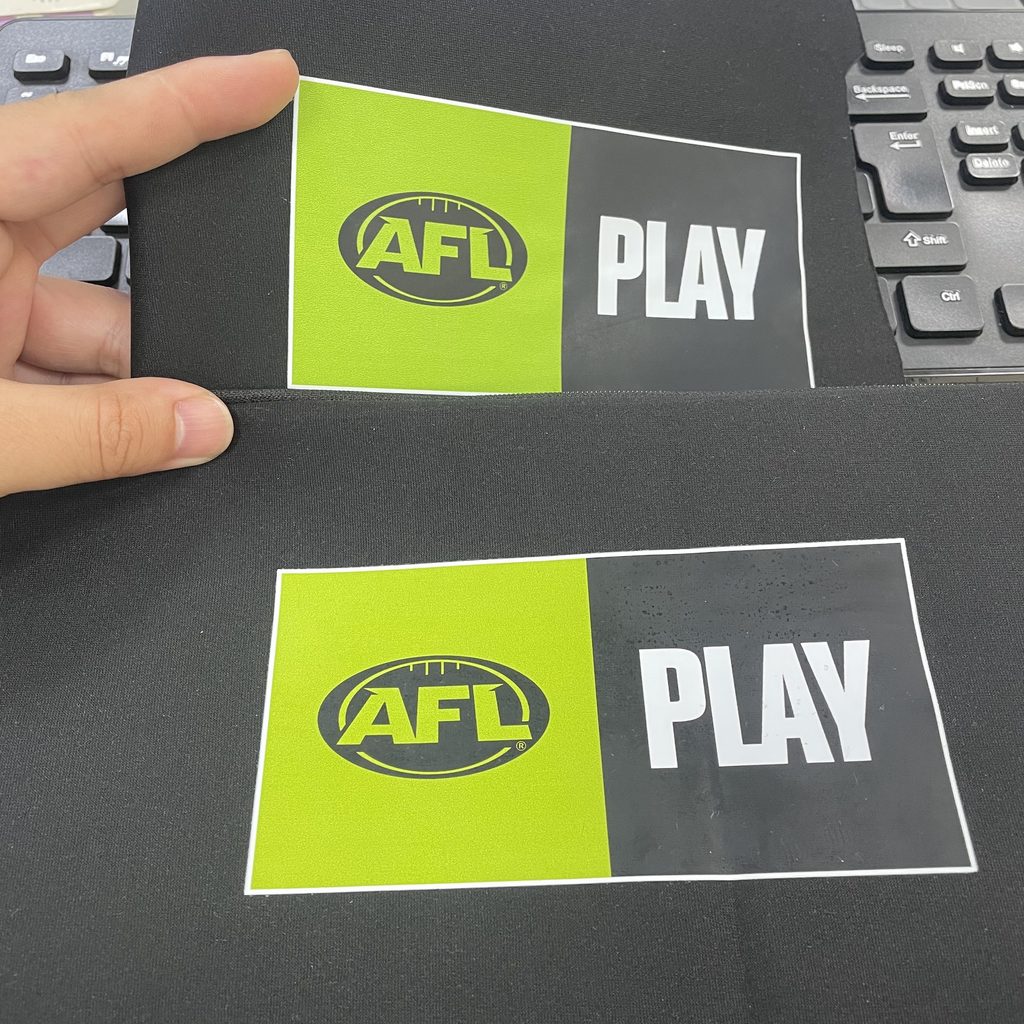
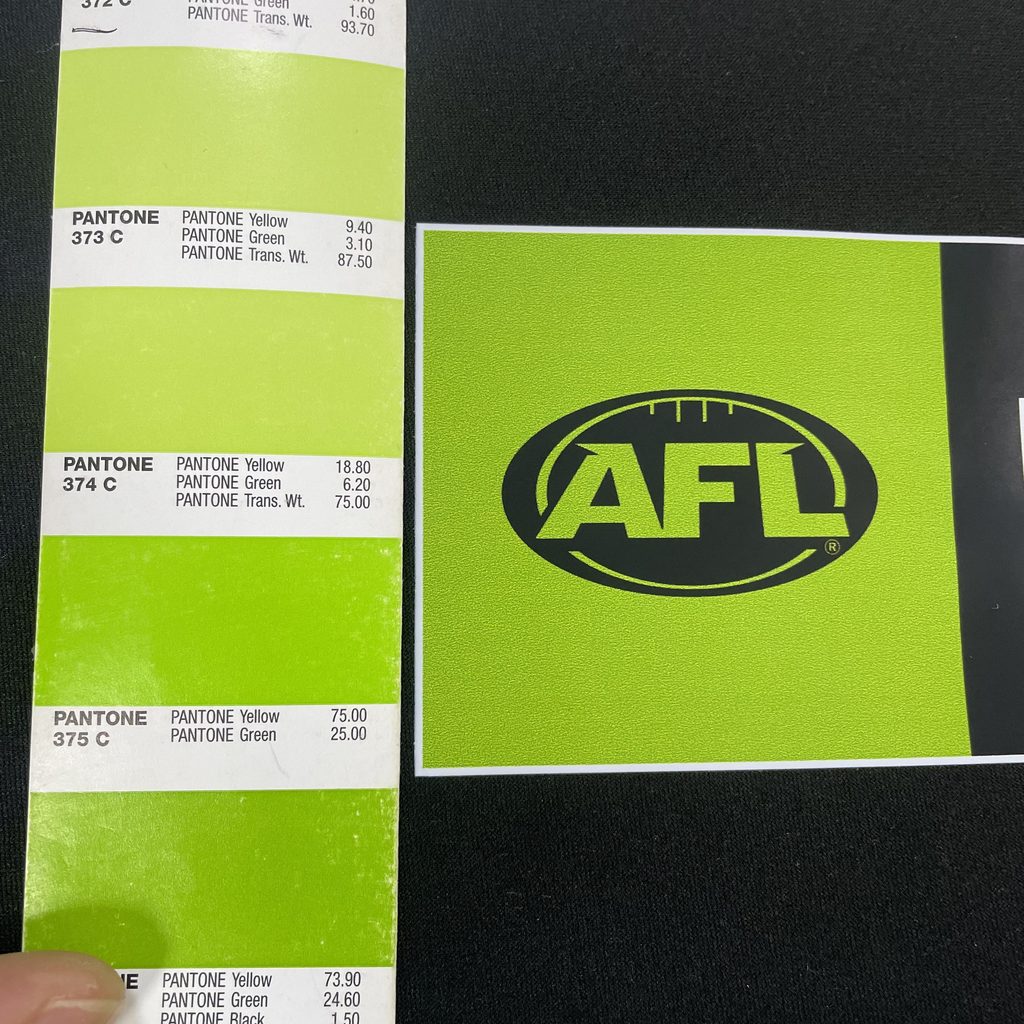
One common pitfall many new buyers overlook: screen images cannot fully reflect fabric texture, thickness, and color deviation. Always request physical fabric swatches before confirming mass production to avoid costly rework after production starts.
Common Bag Materials Compared
Below are the workhorse materials in promotional bag and pouch manufacturing. This comparison focuses on real-world sourcing decisions, rather than purely theoretical technical specifications. Keep in mind: within one material category, higher GSM or higher denier generally delivers better durability at higher cost. At Bincai, we work regularly with 600D and 420D Oxford, dense-weave and twill variations, and soft fleece-backed fabrics, giving us practical data on how each performs in bulk production.
| Material | Key Characteristics | Best For | Limitations |
|---|---|---|---|
| Canvas (Cotton) | Natural feel, breathable, excellent for screen-printing and embroidery; available in weights from 6oz (170GSM) up to 220GSM heavy-duty canvas | Pencil cases, tote bags, cosmetic pouches, eco-friendly promotional items | Not naturally waterproof; prone to wrinkling; raw cotton prices are subject to market fluctuation. Waterproof performance requires extra coating finish. |
| 600D / 420D Oxford | Water-repellent (not fully waterproof), abrasion-resistant, easy to clean, stable color fastness; performance improves with PVC or PU coating | Drawstring bags, travel pouches, portable makeup bags, lunch bags | Less soft than natural fabrics; not suitable for direct-skin contact items like sleep eye masks. Water-repellent does not equal waterproof. |
| Polyester | Cost-effective, quick-drying, wrinkle-resistant, holds shape well | Promotional tote bags, backpacks, sports bags, large-volume orders | Lower perceived value compared to natural fibers; conventional polyester is petroleum-based. |
| PU Leather | Smooth surface, premium visual effect, supports embossing and foil stamping logos, consistent surface finish | Cosmetic bags, pencil cases, corporate gifts, retail packaging pouches | Poor air permeability; risks of yellowing over time without anti-yellow treatment; long-term wear resistance is inferior to genuine leather |
| Recycled PET (rPET) | Produced from recycled plastic bottles; performance close to virgin polyester; supports eco-branding marketing | Eco-conscious brands, European and North American retail markets | Slightly higher unit cost; GRS certification requires extra documentation for customs and retail compliance |
| Plush / Fleece | Ultra-soft, warm, lightweight, skin-friendly for direct contact | Eye masks, Christmas hats, winter promotional items, children’s accessories | Not for heavy-load usage; strict QC is required to prevent fabric shedding and pilling; children-oriented goods demand strict safety testing. |
Quick note on GSM and Denier: GSM describes weight for woven fabrics such as canvas; Denier (D) applies to polyester and Oxford textiles. Higher numbers generally mean thicker, tougher material, yet heavier fabric also raises unit cost. Do not only specify “600D Oxford” in your inquiry—always confirm coating type and GSM together with your factory, as two products labeled “600D” can vary widely in real-world quality.
Recommended Fabrics by Product Type
If you already know the product category, this quick reference will help you narrow down fabric options before contacting a factory.
| Product | Common Fabric Choices | Why |
|---|---|---|
| Pencil Cases | Canvas, 600D Oxford, PU leather | Durable enough for daily school or office use; supports printing and embroidery |
| Cosmetic Bags | PU leather, canvas, twill | Easy to clean; premium feel; good structure for pouches |
| Drawstring Bags | 420D/600D Oxford, polyester | Lightweight, water-repellent, quick-drying; suitable for gym and travel |
| Eye Masks | Plush, fleece, soft polyester | Skin-friendly, soft, and comfortable for direct contact |
| Christmas Hats | Plush, fleece, knitted fabric | Warm, festive texture, and comfortable for seasonal use |
| Promotional Tote Bags | Canvas, polyester | Cost-effective for large volumes; holds printing well |
In recent years, we have seen a clear shift among our clients. Several European buyers now specify rPET as a mandatory material, even for promotional bags. These clients are less price-sensitive and expect retail-level quality, including consistent texture, clean stitching, and reliable color matching. If your market has similar expectations, rPET is worth considering from the start.
Beyond Base Fabric: Finishing, Coating & Synthetic Leather
Many buyers only compare base material and overlook post-production finishing. The same raw fabric can deliver completely different final performance via coating, anti-yellow, water-repellent, or anti-pilling treatments. Always clarify finishing requirements at quotation stage.
- Genuine leather: Premium, timeless material that develops a unique patina with usage. Service life depends on leather grade; full-grain leather delivers the best durability. It comes with higher cost and higher MOQ, alongside ethical and sustainability considerations. Mostly used for business briefcases and high-end accessories.
- PU/PVC synthetic leather: Budget-friendly, uniform texture, water-resistant, and available in a wide range of colors. It can imitate genuine-leather appearance, yet breathability and long-term durability are limited. Widely adopted for cost-controlled cosmetic bags and corporate promotional gifts. Anti-yellow finishing adds extra cost but prevents surface discoloration during storage.
How to Make the Final Decision: 4 Key Questions
- What is the primary use of the bag? A daily commute bag demands different durability than a low-cost promotional giveaway or a sleep eye mask. Clarify real-world usage scenarios first.
- What is your target price point? Raw fabric dominates your unit production cost. Reliable factories can suggest alternative materials matching your budget without sacrificing core functional requirements.
- What is your brand story? Are you building rugged outdoor gear, sustainable-focused merchandise, or affordable fashion accessories? Your fabric selection needs to align with your brand positioning.
- Which markets will you sell into? EU, US, and children-product categories impose strict fabric compliance rules. Confirm whether your chosen material can pass required lab testing before locking specifications.
Unsure about material trade-offs? Working with an experienced custom bag factory brings real value. At Bincai, we produce over 4 million promotional sewn products per year for buyers in the United States, Europe, Japan, South Korea, the Middle East, and Southeast Asia. We can recommend the most cost-effective material for your product type, target market, and order scale. Before finalizing fabric choices, confirm you are cooperating with a verified manufacturer. Read our guide on how to verify a reliable custom bag manufacturer in China.
Common Fabric-Related Mistakes Sourcing Buyers Make
- Confusing water-repellent coating with true waterproof performance, leading to customer complaints after product launch.
- Selecting fabric purely from online photos without requesting physical swatches, underestimating thickness, hand-feel, and batch-to-batch color shift.
- Ignoring finishing treatments (anti-yellow, anti-pilling) and only comparing raw-material unit prices.
- Overlooking market compliance requirements; picking low-cost fabrics that cannot pass EU REACH or US children-product lab tests.
- Forgetting that OEM custom-dyed fabrics carry higher MOQ and extended lead-time compared to factory stock material options.
- Specifying only fabric name without defining GSM, denier, coating or finishing; factories may supply thinner, lower-grade material that matches only the fabric name, not your expected quality.
How Material Choice Connects to OEM and ODM Projects
Your fabric selection strategy will differ between OEM and ODM cooperation models. Under OEM mode, buyers may specify custom-dyed or exclusive-texture fabrics, though this will push up MOQ and extend lead time. For ODM projects, you select from the factory’s existing material library for faster turnaround and lower entry barriers. Our standard MOQ for both OEM and ODM is 1,000 pieces per style. Read our full comparison: OEM vs ODM bag manufacturing guide. If you are arranging your first production run, review how MOQ works in bag manufacturing before locking fabric specifications. For a closer look at how material selection applies to specific products, see our custom pencil case manufacturing examples.
Frequently Asked Questions
What is the best fabric for promotional tote bags?
Canvas and polyester are the most popular choices. Canvas offers a natural, eco-friendly feel and performs well for screen printing. Polyester is more cost-effective, wrinkle-resistant, and quick-drying, making it ideal for large-volume giveaway campaigns.
Is 600D Oxford fabric waterproof?
600D Oxford delivers water-repellent performance rather than full waterproof capability. It resists light rain and splashes, but water may penetrate seams and zipper gaps. For fully waterproof bags, special coating or specialized waterproof textiles are required.
Which material is best for cosmetic bags?
PU leather and canvas are top-performing options. PU leather brings premium appearance and easy-to-clean surfaces. Canvas delivers soft natural texture and supports printing or embroidery. Oxford fabric is widely used for travel-oriented cosmetic pouches requiring high durability.
Can I use recycled materials for custom bags?
Yes. Recycled PET (rPET) is widely available with performance comparable to virgin polyester. If you plan to market sustainable features to customers, ask suppliers for GRS certification to validate your sustainability claims.
Does material choice affect MOQ?
Yes. Custom-dyed or specialty fabrics normally come with higher MOQ because factories must purchase raw materials in bulk rolls. Choosing stock-available fabrics is the most practical way to lower MOQ and shorten production lead time.
Should I request fabric swatches before mass production?
Absolutely. Digital photos cannot represent real-world thickness, hand-feel, and color difference. Request physical fabric swatches and pre-production samples to reduce unexpected defects and avoid costly mass-production revisions.
Do I need fabric compliance testing for EU or US markets?
If you sell to EU or US consumers, especially for children-oriented items, fabric compliance testing (REACH, CPSIA etc.) is mandatory. Confirm material test feasibility during fabric selection phase, not after sample-making.
What printing methods do you support for custom bags?
We support embroidery, silk screen printing, heat transfer, sublimation printing, and appliqué embroidery, depending on the fabric and design requirements. Each method has different cost, durability, and color performance, so we recommend discussing your design with our team to choose the right option.
What GSM or Denier should I choose for my custom bag?
There is no universal answer. For lightweight promotional pouches, 210D-420D polyester works well. For durable travel bags, select 600D Oxford or heavier canvas above 180GSM. Always communicate your usage scenario to your manufacturer instead of picking numbers blindly.
Need Help Selecting the Right Material?
Send us your bag concept or target specifications. Our team will provide professional material recommendations, along with a feasibility assessment and quote.
📱 Click to Chat on WhatsApp: +86 15857935670
📧 Email for Expert Advice: info@bincai-intl.com
Let’s build a product that’s not only beautiful but also built to last.
Pingback: Custom Bag Manufacturing Process: Design to Delivery - Bincai
Pingback: Sourcing Trends for Custom Bags & Promo Products 2026/2027 - Bincai
Pingback: Custom Event Pouches | Wedding Favors Factory - Bincai
Pingback: Custom Bag QC Process: 5-Stage Quality Control System - Bincai